
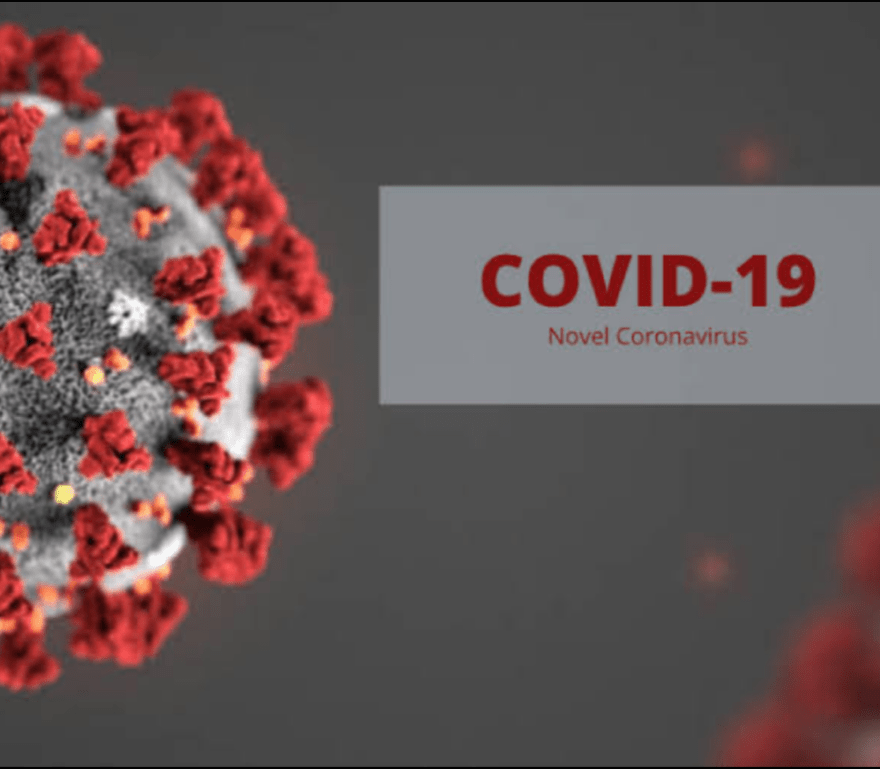
The world as we all know it is slowly changing. Every hour, every day, every moment. The new normal is creeping in as the novel Corona Virus also known as Covid-19, rattles the entire globe. The respiratory and contact-based illness has already recorded well over 365 000 deaths worldwide with confirmed cases rising exponentially daily with active cases currently over the 6 million mark.
“Stay at home”
“Do your bit.”
“In this together.”
“Wash your hands. Use soap for 20 seconds or an alcohol-based hand sanitizer.”
“1.5 m social distance.”
“Know the signs and symptoms.”
These are phrases that are now part of our everyday vocabulary and lives. Our new normal. You turn on the TV, open up a newspaper, listen to the radio, go out for essentials, the messages are bold, clear and everywhere. In this time and age, it’s almost a crime to plead ignorance to the reality of the changing world. What’s also interesting to note is how universal the Covid-19 story is. It’s not a pandemic affecting only one part of the world. It affects all of us.
In November and December of 2019, Covid-19 cases were restricted to China and some parts of Europe and there was no thought in the world that it could ever reach our shores. It is said that that the virus is immobile and that it’s people who move it. Our movements and gatherings, whether for work or social purposes are essential for its movement and hence spread amongst people. The restrictions, in terms of movements of people globally, through lockdowns imposed attests to measures put in place to inbibit the spread. Whether they (lockdowns) are right calls to make, is still a matter of contentious debate but can be inferred as reference for what the Chinese government did at the epicenter of the virus in Wuhan City.
Lockdowns are a measure to ensure effective preparation of a country’s health care system to cope with the projected increase in the number of confirmed cases as put forth by various models as prepared by the scientific bodies. Governments around the world are looking into the World Health Organization (WHO), a United Nations (UN) international organization within the health fraternity specializing in understanding diseases and pandemics that affect the global community for guidance in terms of advances in studying the virus to better understand and react appropriately to it.
The pandemic comes with both ups and downs. It has pitted people’s livelihoods against their health and well-being. Big blows are punched to powerful and influential economies of the world and more excessive, the force, to those who were already struggling prior to Covid-19 – South Africa’s included. Added strain to already exhausted public health care systems, stories of outcries and lack of adequate medical PPE, water access issues, massive losses of life, you name it – all of these, cut across the globe. A refocus into personal care and hygenie, awareness of overall well-being, surroundings and conduct has been re-emphasized. Coughing into a bent elbow or into a tissue and immediately disposing of it, social distancing when you’re out and about for essentials, regular disinfecting of contact surfaces are typical examples of re-enforcement. Our health is now more important than ever and we’re more in touch with our wellness now as a result of Covid-19.
It’s worth mentioning how the pandemic cuts across racial barriers, seas, economies, mountains and allows for common ground to be established. You switch on the TV for an update of news – CNN, BBC, Al Jazeera, SABC News, eNCA, Newzroom Afrika, Sky News, you name them, across the oceans and seas of the world, the tops stories are more or less similar, with a familiar and common thread across.
The tragic lives that are claimed by Covid-19, exhausted public health care system and the amount of joblessness as a result attest to the brutal awfulness that has come with this pandemic. It’s also sad to hear reports of front-line workers are being infected and affected due to the lack of adequate PPE and exposure to the virus. I have observed some positives aspects to Covid-19 that I would like to unpack shortly.
Recoveries
On the bright side, there are people who have recovered after being initially infected with the Corona Virus. The numbers are increasing and looking encouraging both from an international and local perspective. As it stands, over 2.6 million recoveries are recorded globally and this is thanks to a collaborative approach from both the health care systems and the individuals concerned in maintaining good health and lifestyles while on the road towards beating the virus. This attests to how the virus can indeed be defeated. In South Africa alone, with over 27 thousand confirmed cases to date, over 14 thousand have recorded recoveries. According to the WHO Covid-19 Africa stats, there are currently more recoveries in the contintent than there are deaths with 3762 fatalities and over 53 thousand recovery cases. There is a glimmer of hope and silver lining across this dark cloud we’re all going through and the number of recoveries is proof. I look forward to tracking the numbers of recoveries, in particular, as the days go by to observe them progressively increase as the number of confirmed cases rise.
Meetings
I am not a big fan of meetings hence it came as a welcomed surprise when lengthy and often crowded work meetings were immediately prohibited as a result of the pandemic. Thanks to Covid-19, work meetings now take 15 minutes or less and as a result, cut to the chase. I am all for getting straight to the point, fast. We never get crowded like we used to in the past, stuffed in a hall for meetings that go on and on and on. Brownie points to social distancing while work meetings are in progress. Our new normal puts a spotlight on how differently we ought to look and see things while at work. We can almost say that it’s acted as a catalyst in fast-tracking calls for the 4IR while at work. And if one can work from the comfort of their homes, that is now a plausible and welcomed possibility!
Weddings, Funerals – Events
Crowded weddings, funerals and events are a thing of the past. I am however, sad that concerts are also cancelled as I am an avid concert goer but some things need to be compromised, I guess. But back to my point. Events such as weddings and funerals in the black communities are often a headache to the family that is planning them. The headaches often come because of costs incurred, associated with the expected number of people in attendance. We all know of RSVPs for weddings but more often than not, the limit is hardly adhered to especially in the township. What does RSVP stand for again?
I have heard of couples struggling to cut down their weddings guest list to a number that the venue they have selected can accommodate. Often, this cutting of guests comes with guilt for disappointing those that will not get the invite. Now with the regulations in place, the couple does not have to feel guilty for not inviting most people. The less the number of guests there are, the less costs that the newlyweds will have to part with. What’s the point of having three hundred plus people at a wedding and how will you feed all of them? How much will that cost? Does this mean a loan must be taken out? What a way to kickstart a new long-term (marriage) commitment, right? Trim, cut and don’t feel guilty at all. I am in full support of this.
Funerals come with burdens to the bereaved. Apart from the mourning period that needs to be upheld and respected, it’s the hefty costs that are associated with catering for a large funeral that worry me. A family is in distress and ontop of that, the family must also concern itself with having to feed a large number of people gathered? This is not fair at all. I think it’s high time we, as a society, and in particular the black society, relook at this whole notion of how we do funerals altogether. I feel it would make sense for those coming to pay their sympathy, be the ones to club in grocery items, tea and cakes (during the week, leading up to the burial – often over the weekend) as a form of piece offering to the bereaved family. The slogan goes, “We’re in this together.” does it not? While we’re at this, we need to put a stop to the act of constantly feeding people who come to pay their respects unless there are adequate funds to cater for that. There should not be an expectation to be fed at funerals altogether. Although, it is sad that the mourning period during this pandemic is uncomfortable as it comes abruptly, with not enough time to properly grieve for the departed loved one.
The travelling restrictions imposed also mean that there is a process to be followed to allow a loved one to travel for a funeral and it’s not just anyone who can get a permit for this. There are strict requirements to be met in order to qualify for such travelling permits to be granted. This means that having to go bury a long-term friend for instance can be almost impossible during this time which may pose a disadvantage.
Overcrowding
I hate overcrowded spaces, malls during month end, congestion on the roads, stampedes. It’s not like we will be immune to these with the global pandemic but the encouragement of people to stay at home and leave only to get essentials, could help regulate the amount of people out and about, to some extent. Although shops easily get packed, and long queses outside are the order of the day, it’s encouraging how the numbers of shoppers inside at a time are controlled now.
Personal hygiene and care
We’ve grown up knowing how washing hands is good hygenie, right? Covid-19 has reminded us about the truth in that teaching. The gospel of practicing personal hygiene and care has long been preached yet, and at times, often overlooked and downplayed yet it’s now more than ever that this basic act is one of the most effective ways to control the spread of the virus. Talk about going back to basics! How many times do you now wash your hands in a day as compared to before?
Restored human dignity
We are all reminded to wash our hands with soap for at least 20 seconds and as frequently as possible to combat the spread of the virus through our hands. But the reality of the matter is that water is a scarce resource and that not all people of the world have free access to this majestic resource. Some parts of the world are more fortunate than others, often the parts that are dominated by the most destitute of our societies, including squatter camps, rural areas in the villages and some townships are hardest hit. It’s encouraging to see some governments of the world, including the one in South Africa, under the department of water and sanitation, providing water access in large quantities to parts of the country that previously did not have it. It’s sad that it had to take a pandemic as tragic as this one to trigger such a response from our people in government when in actual fact, is something that they are mandated to do as part of their core responsibilities. Governments need to appreciate the fact that they are in powerful positions where they can change the world by serving and delivering essential services such as water for their people. I hope it does not take the Covid-19 pandemic only for various initiatives implemented such a water provision, food parcels and relief funds established aimed at helping those hardest hit by the virus to be sustained long into the future.
How many times have we often forced ourselves or the kids, for that matter, to go to school or work even when we’re not feeling well? “We need to push some admin work, get closer to the target, reach deadline!” and how we fear that things will fall flat when we’re not present at work? I know I worry a lot about that but come to think of it, it’s not the right thing to do. Our health should take priority. Parents should not force a child to go to school when they are not feeling well and they, too should not force or be forced to report to work when they are unwell. I think this is a basic and logical fact of life that we forget too often. I feel disbelief when people are reminded of this because it should be an honest way of life to protect not only yourself but others from getting infected with the virus that has compromised your immune system at that period in time. Let’s prioritize our health, retain and restore our dignity by going back to the basics. If you’re sick and feeling unwell, please, stay at home. Isolate yourself and protect not only yourself but others from getting infected.
Support to public health care system
The Covid 19 crisis has promulgated the ideaology of flattening the curve – a strategy which essentially is aimed at slowing the community transmission of the corona virus. Flattening the curve also provides time to expand healthcare capacity especially ICU and high level care in order to effectively cope with the expected increase in the number of confirmed cases. It’s lovely to see the various collaborations taking place between the private sector and other industries aimed at boosting the public national health care response to Covid-19. These collaborations are positive and encouraging towards a health care system that serves the majority of the people who are economically disadvantaged to access quality healthcare and treatment options where necessary.
Staying at home!
I know in times before the Corona Virus epidemic, how unfashionable it was to ‘stay at home’. I mean, who would do that? Staying at home, all day and throughout the weekend doing what exactly? And how boring! – many would often remark. Going out and about, mingling with people in all spaces of various interactions there are was the order of the day and staying at home was a rare commodity.
Enter Covid-19 and the whole picture and attitude suddenly changes. All of a sudden, staying at home is now a ‘cool’ idea and in fact, is one of the most effective ways to inhibit the spread of the virus as it is mobilized by people from one place to another. Staying at home now puts the spotlight on regularly cleaning and disinfecting of common surface areas at home which are potential breading sites of the virus which has to be frequently done. These include door and drawer handles, light switches, toilet flush handles, remote controls, kitchen and bathroom taps and kitchen utensils. Staying at home has also invigorated the need for people to find their personal spaces at their homes where they can do their quiet reading, meditation, execute DIY work that has been put off for some time to be actually done and do exercises that keep people healthy. You see, looking at the bright side, staying at home is now the new ‘in thing’ to do!
Additional Covid-19 statistics to the article provided by worldometers.info and afro.who.int.
 SithenjwaT