
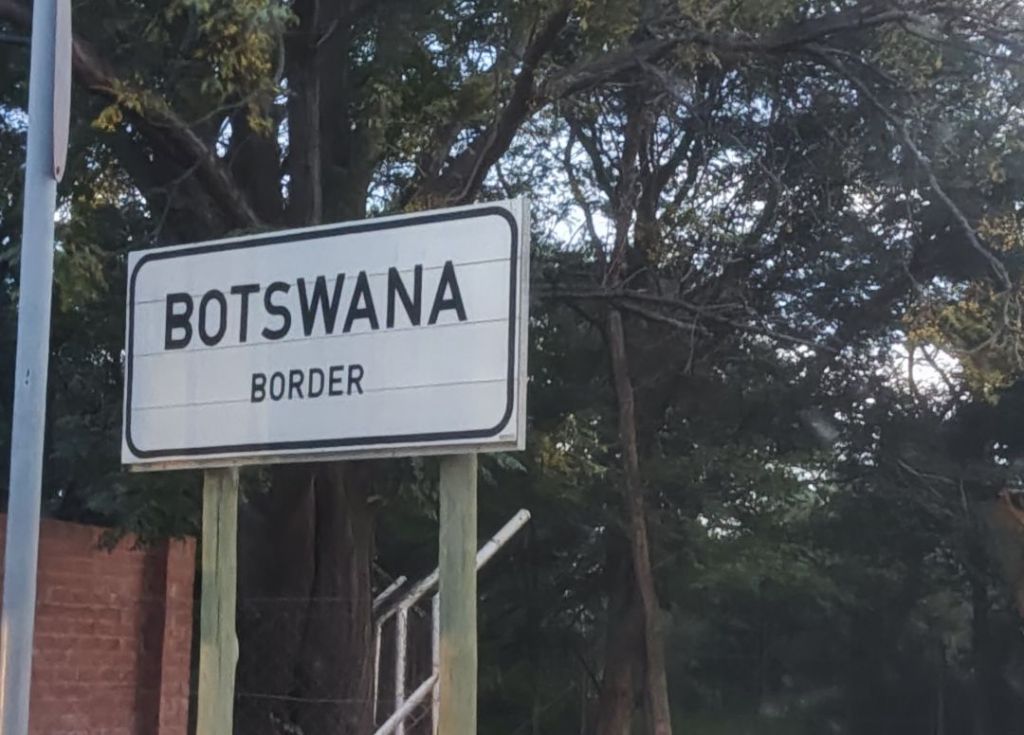
I am a passionate admirer of the African continent – its people, the languages, diversity, rich history, scenery and the authentic stories. When people drool over visiting Europe or The States, I dream of exploring more of this continent of ours, predominantly. Before visiting Gaborone in Botswana, I can proudly say that I have visited seven African countries apart from my home country of South Africa. Botswana is my eight African country and counting.
Day 1: Day of Departure – 17th April 2025
The trip all began when I typed ‘Gaborone’ in my phone’s Google Maps App to see how far the Capital of neighbouring Botswana is from my home. I am currently based in the North West Province of South Africa and the answer I received was 3 hours and 15 minutes, 257 km and this is what sparked it all. I was like ‘I can actually drive myself there.’ I am not a fan of driving long distances, I find them tiring and our roads are not necessarily the most pleasant to drive. The longest distance I have driven was from Rustenburg to Upington in the Northern Cape which was 7 hours and 55 minutes, 758 km in total. Boy, that was a long trip but glad I did not do it alone, which began in the early hours of the Easter break Friday in 2023.
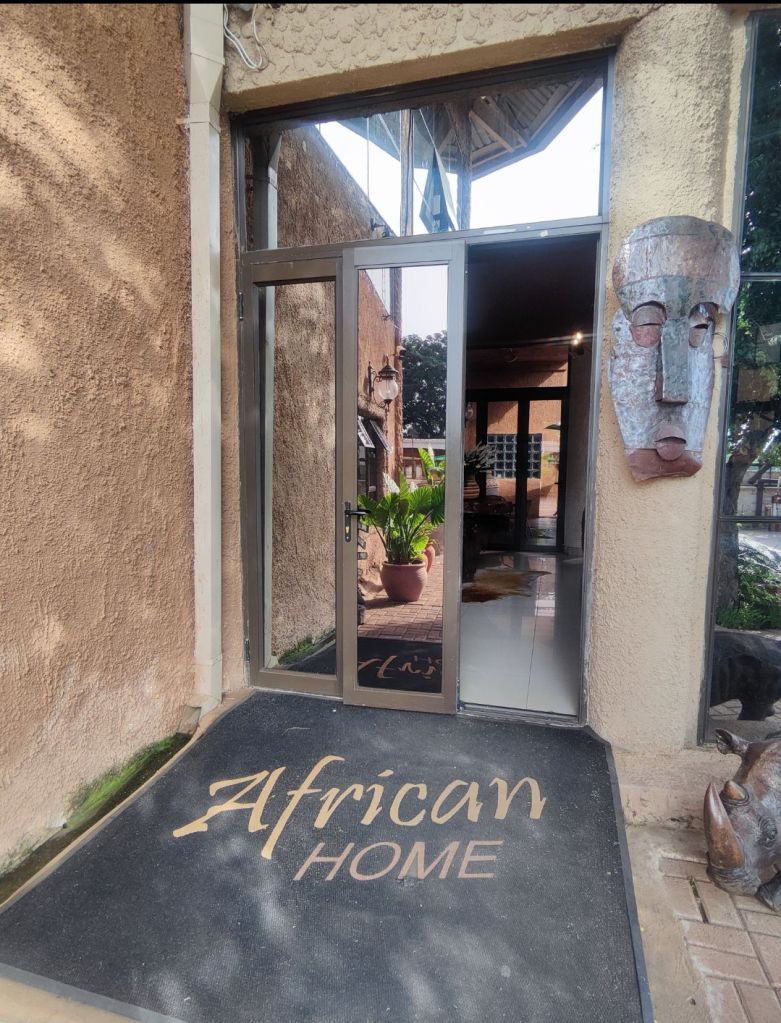
I had the trip planned to the T. Booked my accommodation in advance on Bookings.com for the three nights I would spend. I was particular about what I had in mind, with costs also considered. The initial place I liked was fully booked for the period, so I had to settle for the second-best option which was well within my affordability range. I was booked for the weekend at the African Home Hotel, located in Gaborone along Julius Nyerere Drive. The hotel was easily located in Gaborone and there was no hassle getting there from the border. I had all the necessary documents in check for crossing the border, ZA sticker on car included. I also discovered that the tracking unit I use, gets defective when the car crosses over to another country. Something to ponder on.
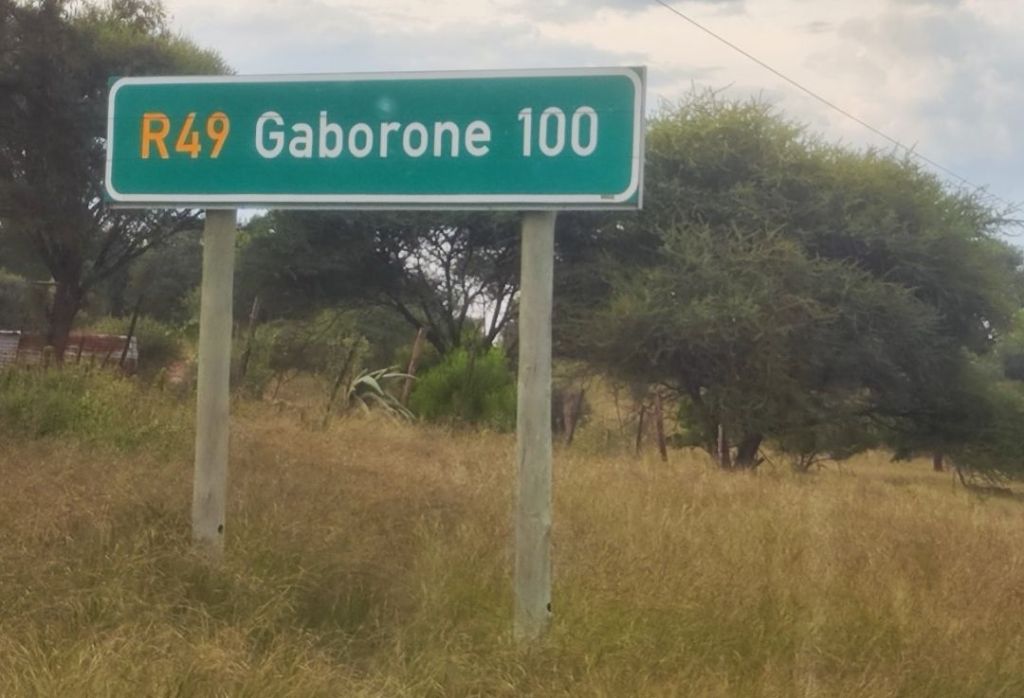
The route to Gaborone was an interesting one. I used the N4 from Rustenburg to Zeerust through the Swartruggens Toll Plaza where I paid R100 to pass through. This route was then meant to merge into the R49 road after passing Zeerust. The R49 is a lengthy yet straight main road of about 100 km into Botswana via the Tlokweng border. The route seemed simple and straight forward at face value but it wasn’t.
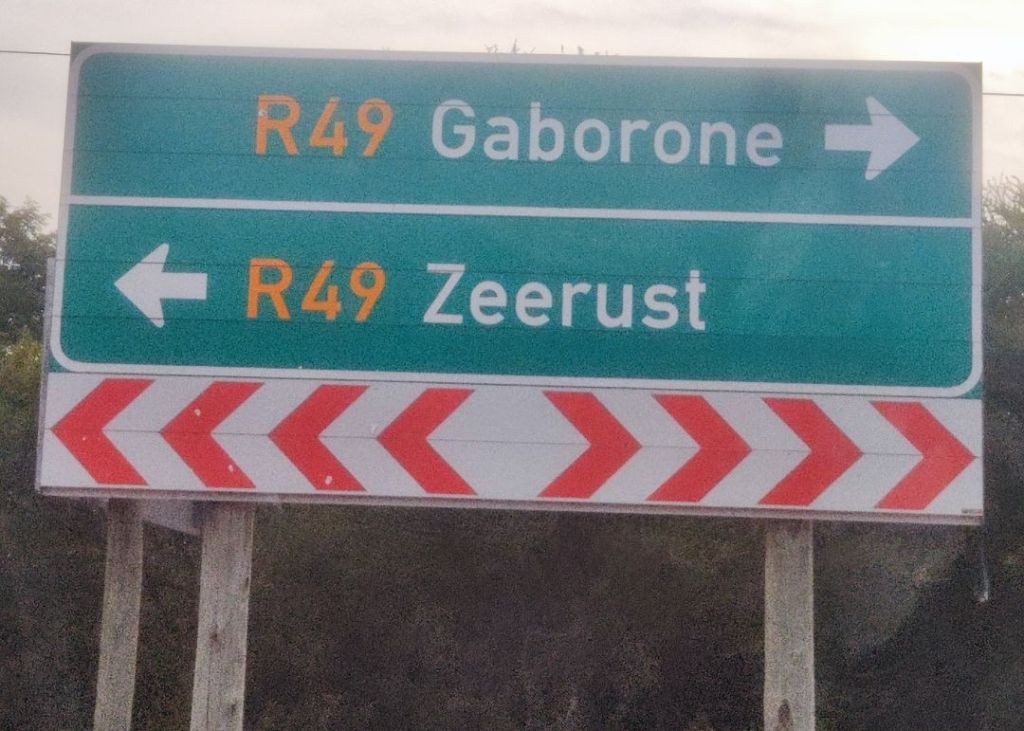
While navigating to Botswana, Google notified me of an accident towards Zeerust which was to cause me a delay in the trip. I had left Rustenburg late that afternoon, aiming to get to Botswana by 6 PM CAT latest. My estimations were off completely based on the time I actually reached the hotel. So, with 6PM as my intended arrival time, staying on the traffic route would have caused a longer delay. I then decided to take a detour, which was going to save me some time. Bad idea.
The detour took me left from the N4 and right into a lengthy but drivable gravel road. I had just gotten the car washed that afternoon and the gravel road I took wiped that cleanliness away instantly. At some point, the road became a single lane only, at other parts, it had gates. I was worried about if anything happened along that road, which was in the middle of nowhere, what was to be the recourse. I had thoughts of going back to the main road to the traffic, but I was already way into the gravel road, so I kept driving on, praying that I get to the R49 main road safely. Which I then did but as soon as I got into the main road, I vowed to never take on a detour especially on a route I am not familiar with. Off I went and I reached the border control – Kopfontein in South Africa and Tlokweng in Botswana.
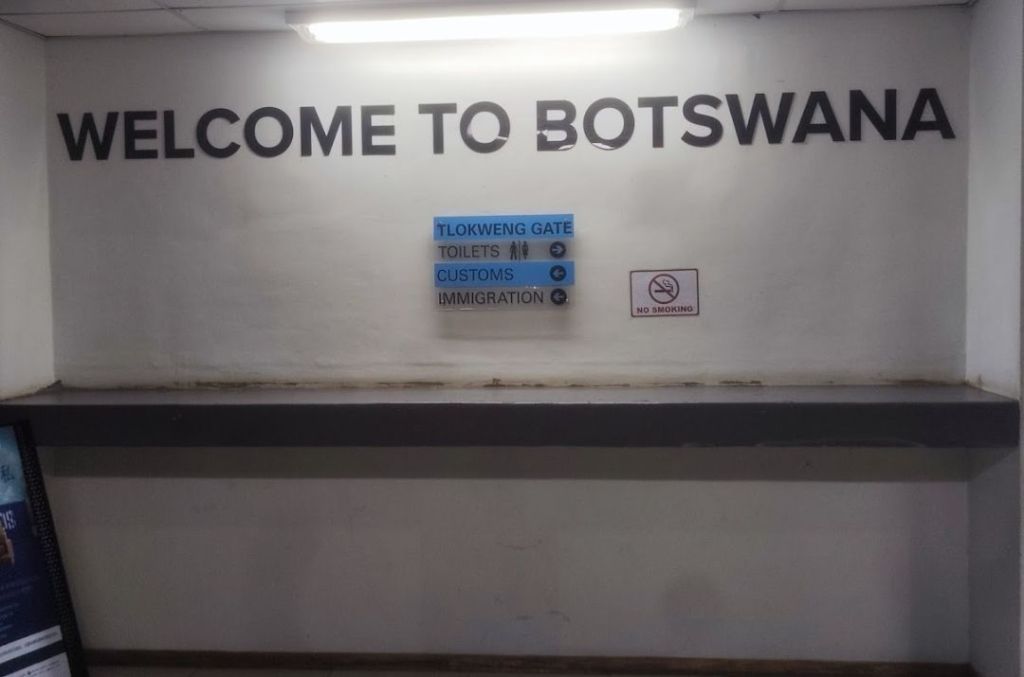
The South Africa side of the border was a breeze, and the delay was on the Botswana side. It was an Easter weekend and there were many visitors from South Africa that night and I feel the poor border control staff was a bit overwhelmed by the volume of people passing over.
After patiently waiting through the queues for the passport stamps, I was good to go. I also had to pay a crossing over road permit fee. The cost was P260 (R370), which I settled at the border and was then free to proceed with my journey. Before I could do so, there was a request by the official on duty for me to step out of the vehicle and step onto some damp platform with my shoes on, upon inquiry on this I was told that it was a preventative measure for the foot disease that is rampant at Botswana. I bought a sim card at the border, and had it registered on the spot – this was key to my connectivity while in Botswana. I think the cost thereof was about R40 and they gladly accepted South African rands. I was relieved because I did not exchange any cash on my way.
Once the SIM card was registered, I had to buy airtime, then transfer it into data for me to be able to connect to Google Maps for the navigation system to reload thus enabling me to get to the hotel. By the time I had reached the border, it was dark, but I felt safe during the whole process. The shop keeper where I bought airtime from was kind and assisted me with transferring airtime to data. I also paid there using Rands. The gentleman who assisted me with the SIM card did not have airtime vouchers on him at that time. He is the one who recommended that I go buy airtime at the shop just outside the border precinct. I only topped up once during my stay in Gaborone. The interactions I had at the border with Batswana was pleasant and I really felt safe and at home.
I quickly got back on the road and soon reached the hotel. If my memory serves me well, I reached the hotel by 9PM, three hours later than I had planned. The gentleman at the reception – Sebalo, was kind, waited up for me and ensured that I settled nicely into the night, after the long travelling day.
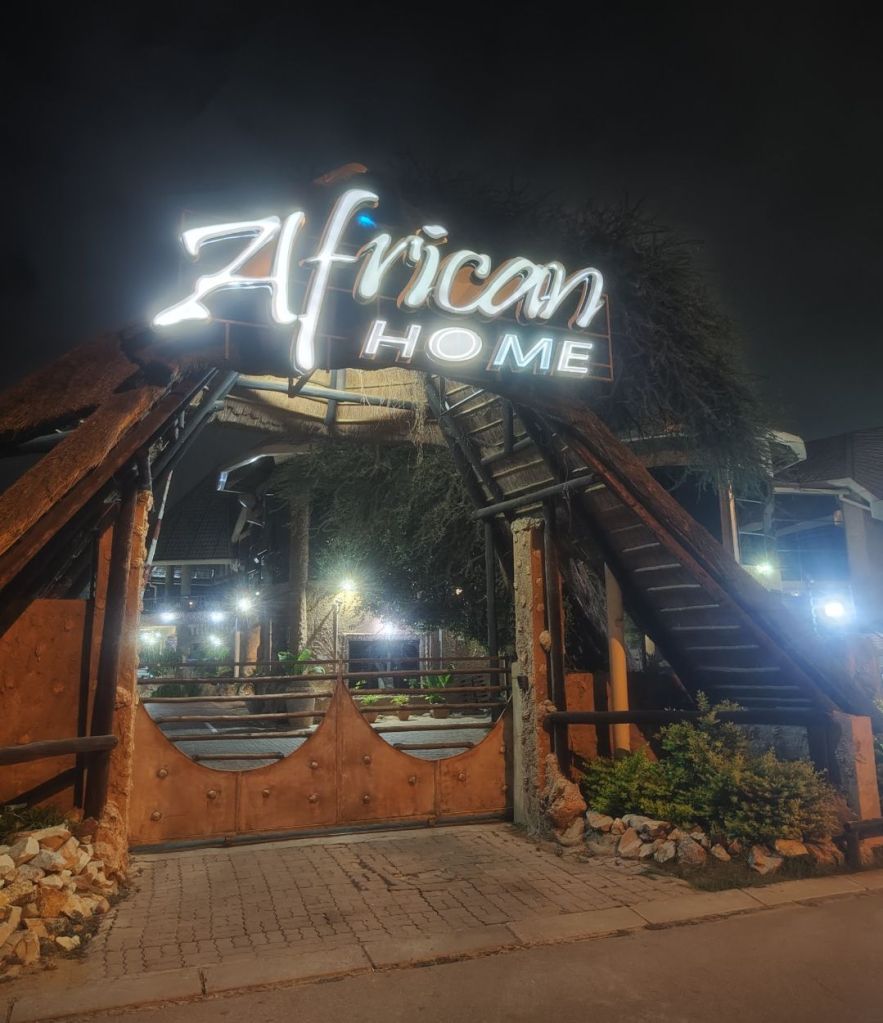
Day 2: Gaborone full day tour – 18th April 2025.
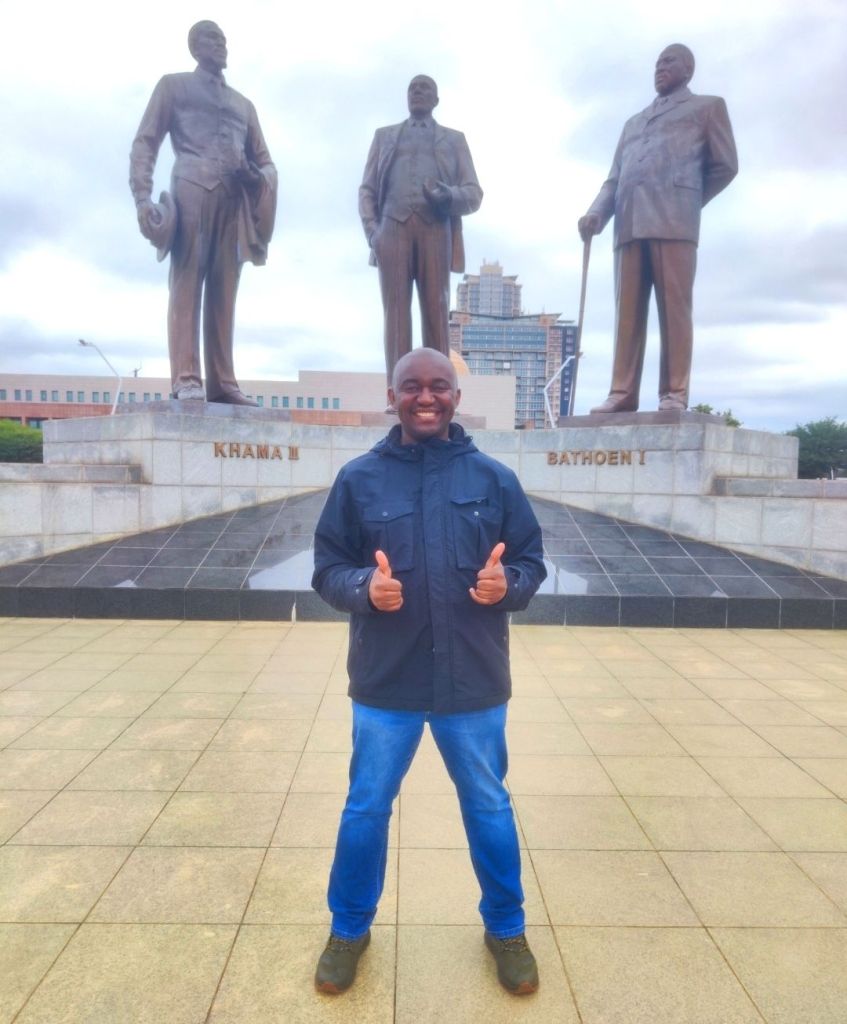
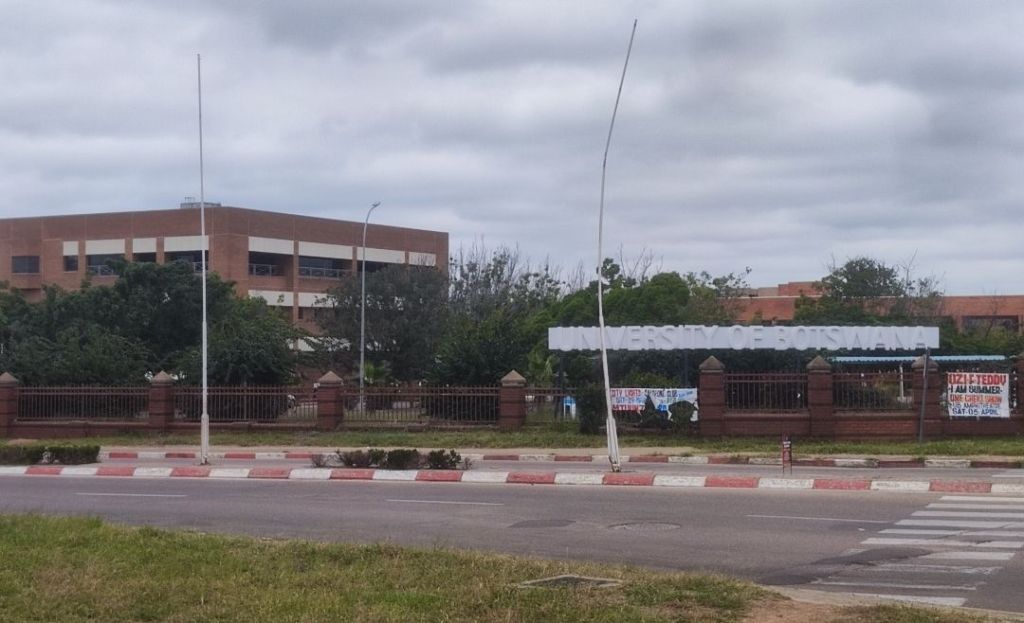
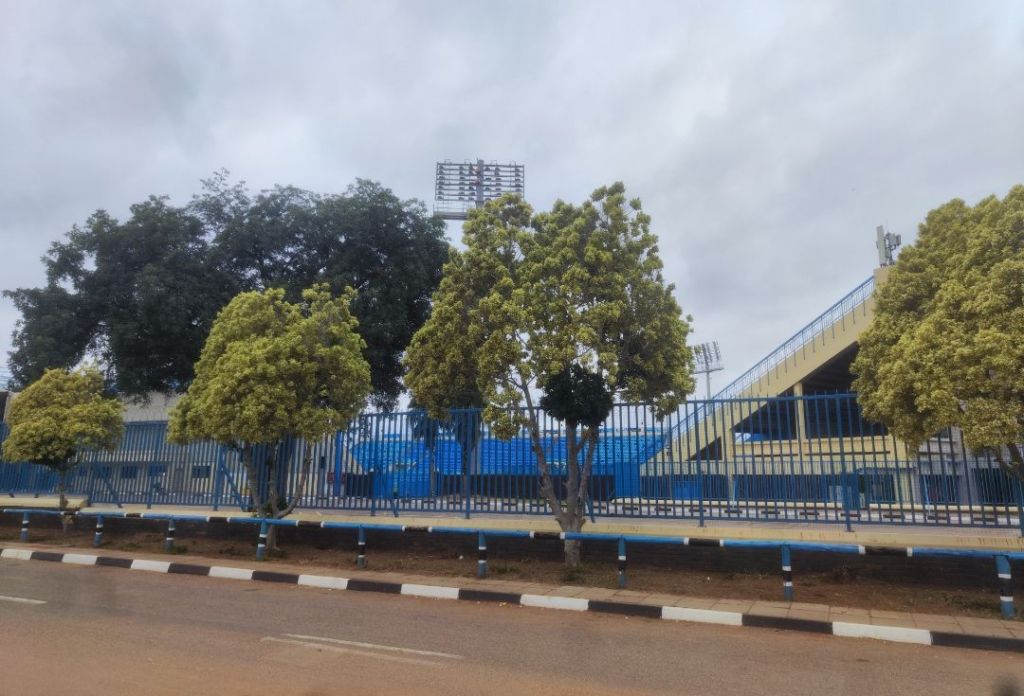
Woke up on this day and the weather was a bit chilly, thankfully I had packed some warm clothing to keep warm. As soon as I completed breakfast at the hotel, I embarked on my journey to explore the beauty that is Gaborone. The itinerary was to start at the Museum to get some history out of the way then to the National Stadium, which was recently used to honour the 2024 200 m gold Olympic medalist Letsile Tebogo and the University of Botswana (I had seen a bright sign of it on my way to the hotel from the border the previous night) and end off at the popular Three Dikgosi Monument, which is a famous site worth seeing. A good friend of mine, who has been to Gaborone before, assisted in preparing this itinerary.
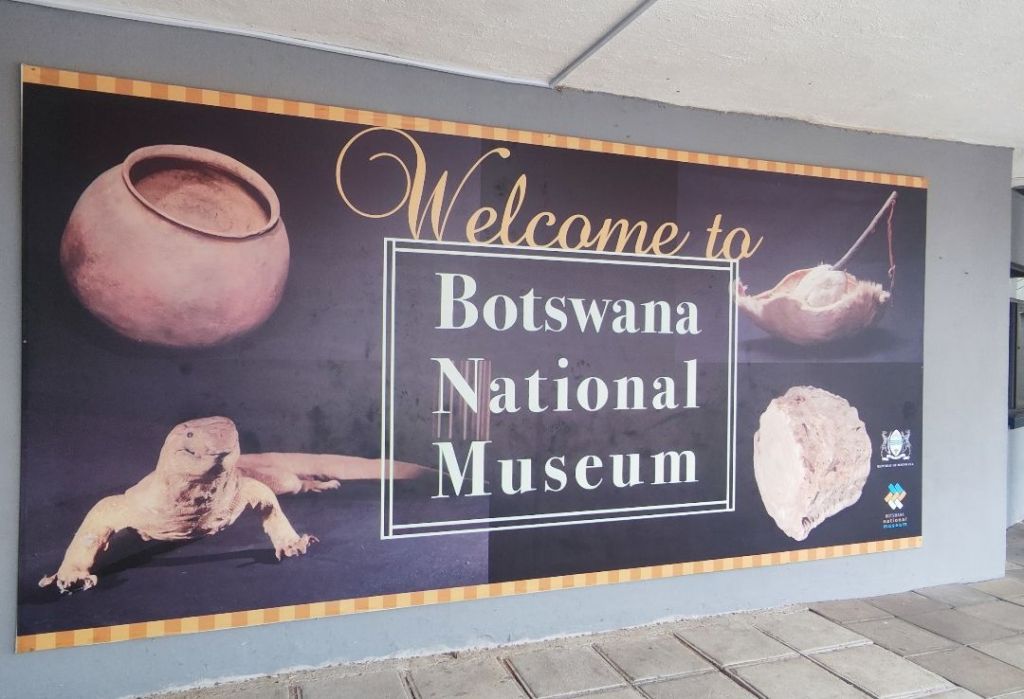
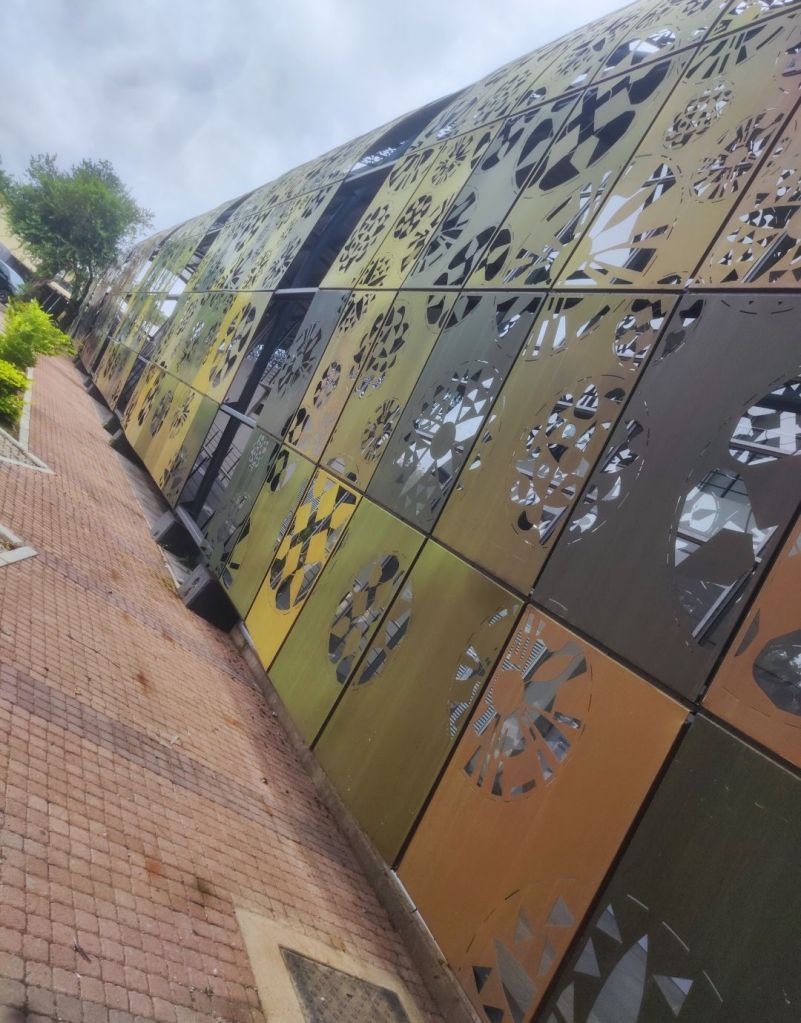
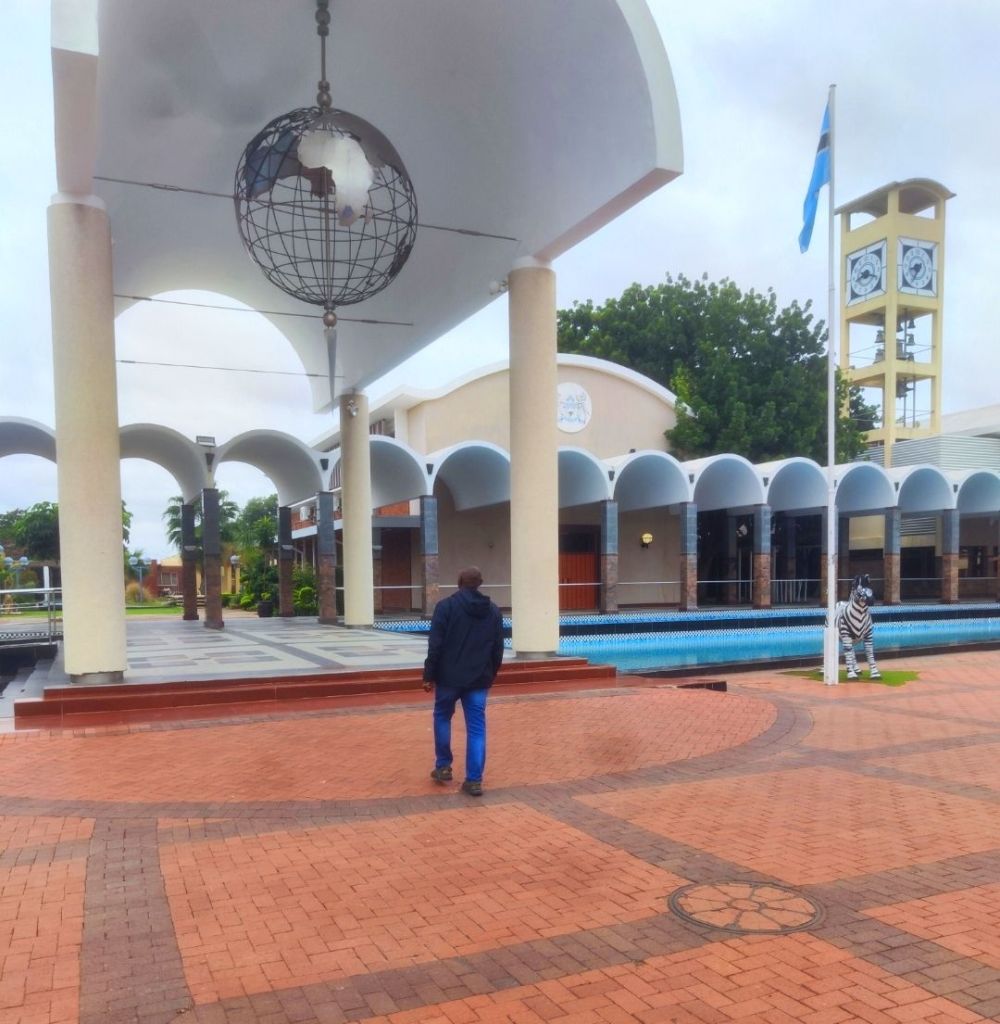
As soon as I completed my tour at the museum, I went to the Botswana Parliamentary Precinct, which is the Government enclave. This is the place where I met a lady named Mme Binkie, who was very kind to me on the day. It was a public holiday, and she still gladly offered me a detailed tour of the area at no cost. She gave me a close picture of Botswana from its citizen.
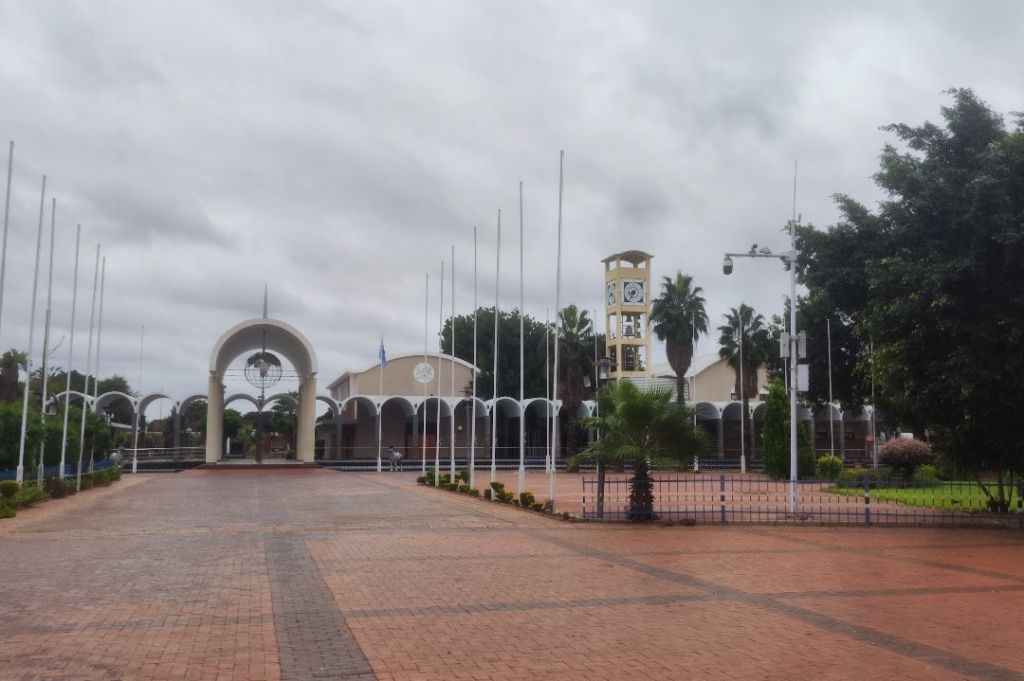
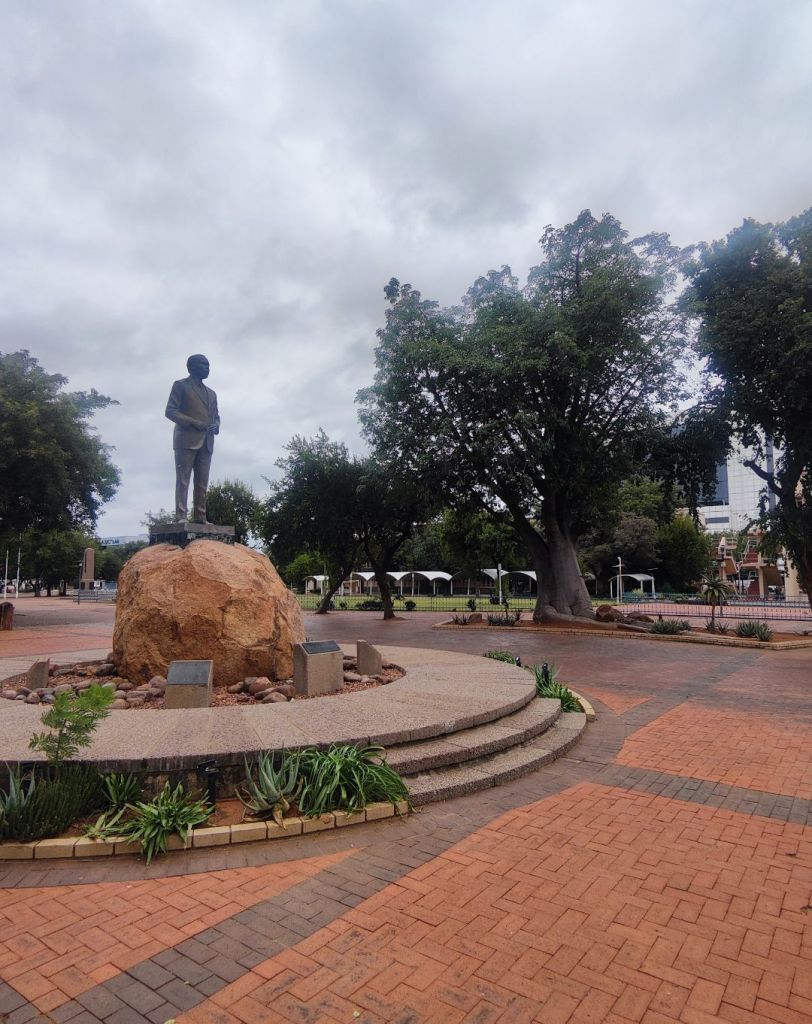
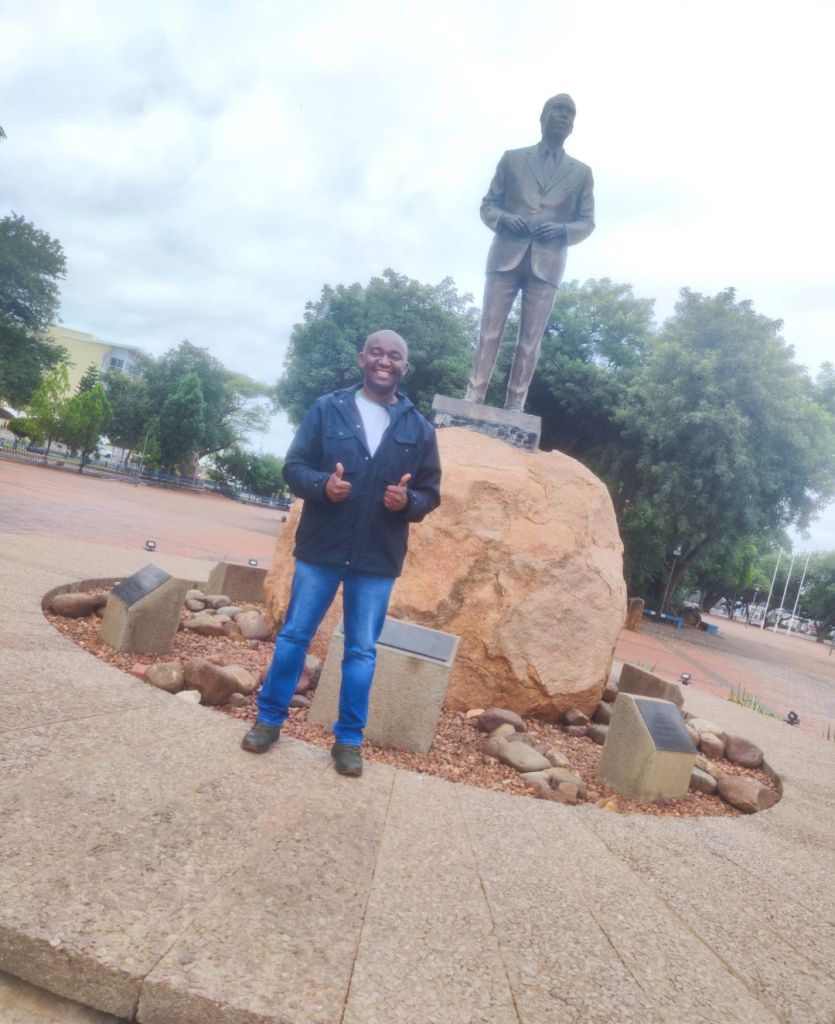
I got to see the statue of the late great Sir Seretse Khama, the founding and first President of Botswana who held the nation from 1966 until his passing in 1980. Sir Seretse was married to Ruth Williams in 1948, and they were blessed with four children, the now late Jacqueline Khama, Ian Khama (who became Botswana’s fourth president), Twins Tshekedi Khama II and Anthony Khama. Sir Seretse Khama’s statue is appropriately and iconically located in-between two baobab trees at the precinct and it was a significant moment to be standing right beside it. Sir Seretse Khama was born on the 1st of July 1921 and passed away on the 13th of July 1980 at the age of 59. Due to the significant role he played in the history of Batswana, the 1st of July is a public holiday in Botswana referred to as Sir Seretse Khama Day.
I also learnt how close to tradition and chieftaincy the Botswana government is with how closely positioned the House of Tradition is to the Main parliament chamber. I also learnt that the current party leading government – Umbrella for Democratic Change (UDC) founded in 2012, came into power after being primarily in opposition for a number of years. The leader of the party, the now president, His Excellency Duma Boko, led opposition parties to amalgamate through the governing alliance of political parties’ strategy into the UDC, a formula that resonated with the majority of Batswana who wanted change from the previous regime. Batswana went out in their majority to vote for the UDC into power after the general elections in 2024. This whole power transfer was done peacefully, attesting to the kind of people, the Batswana are. A nation that stands together, speaks as one and can achieve the impossible.
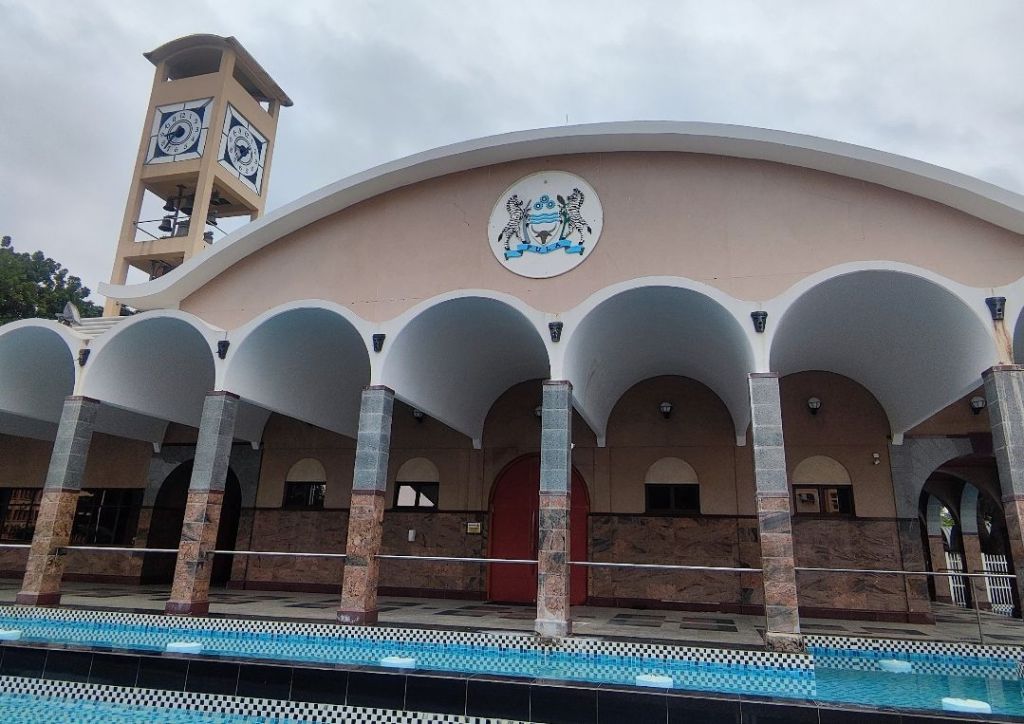
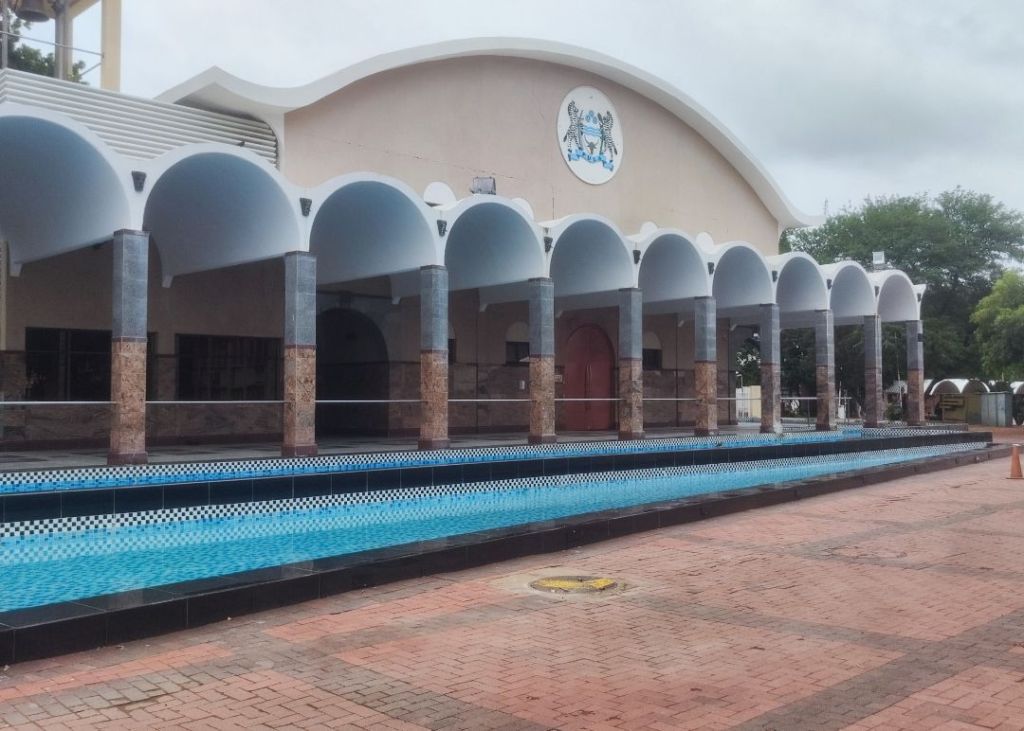
Where the Botswana laws are laid out.

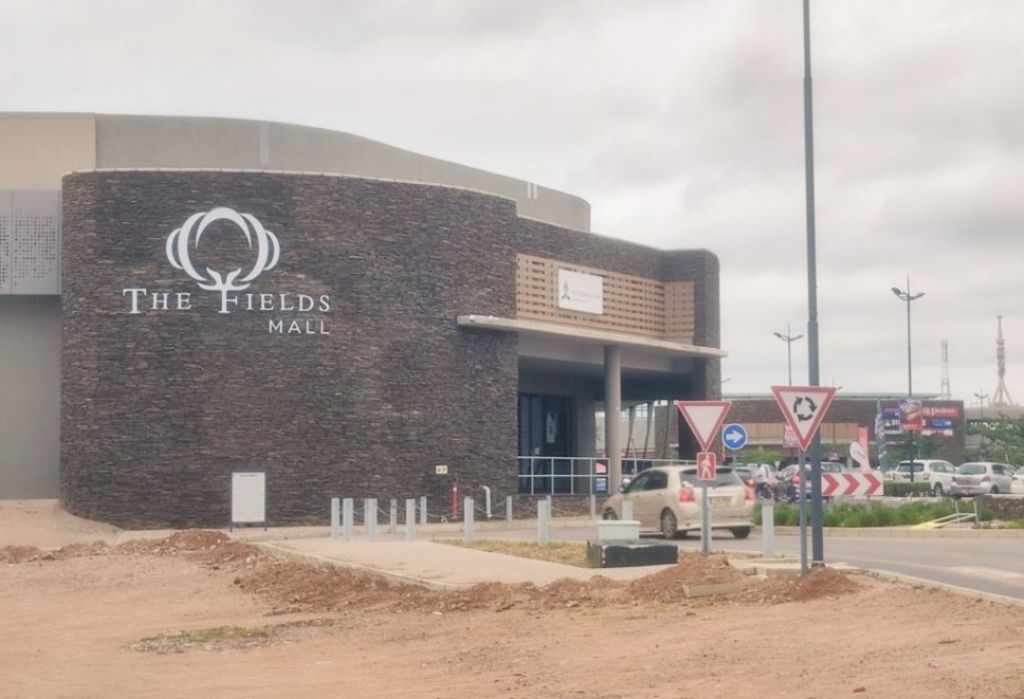
For lunch, I then proceeded to Fields Mall which was opened on the 7th of September 2022. The area where the mall is located was once a large cotton field hence its name. The mall had familiar shops and brands all round, I hardly felt like an outsider.
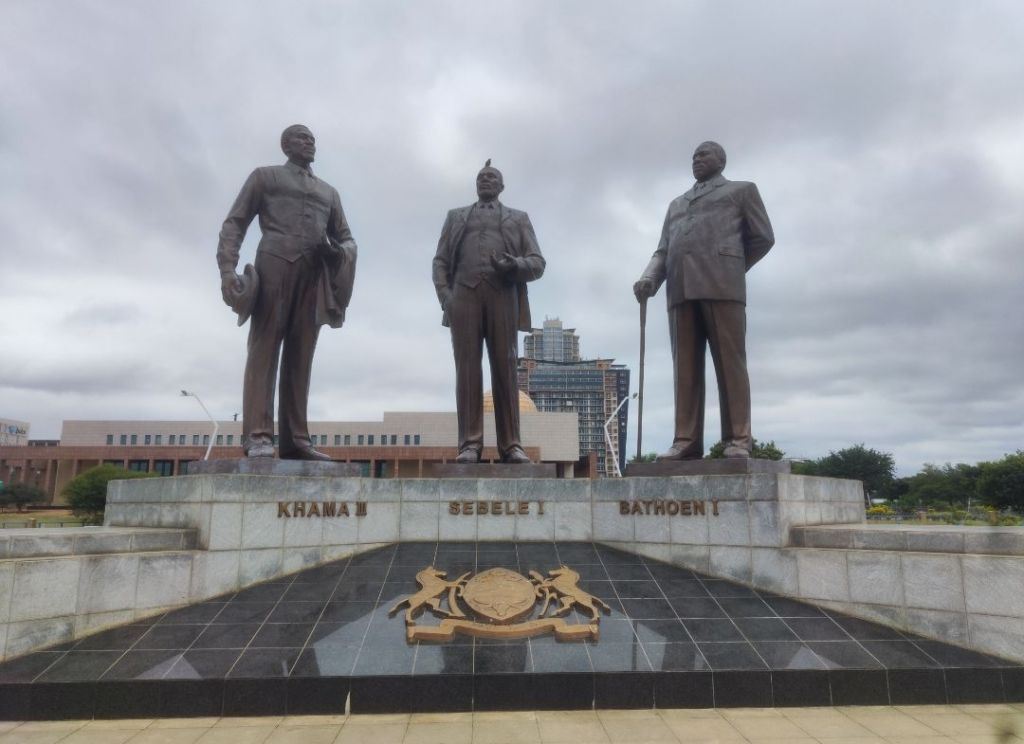
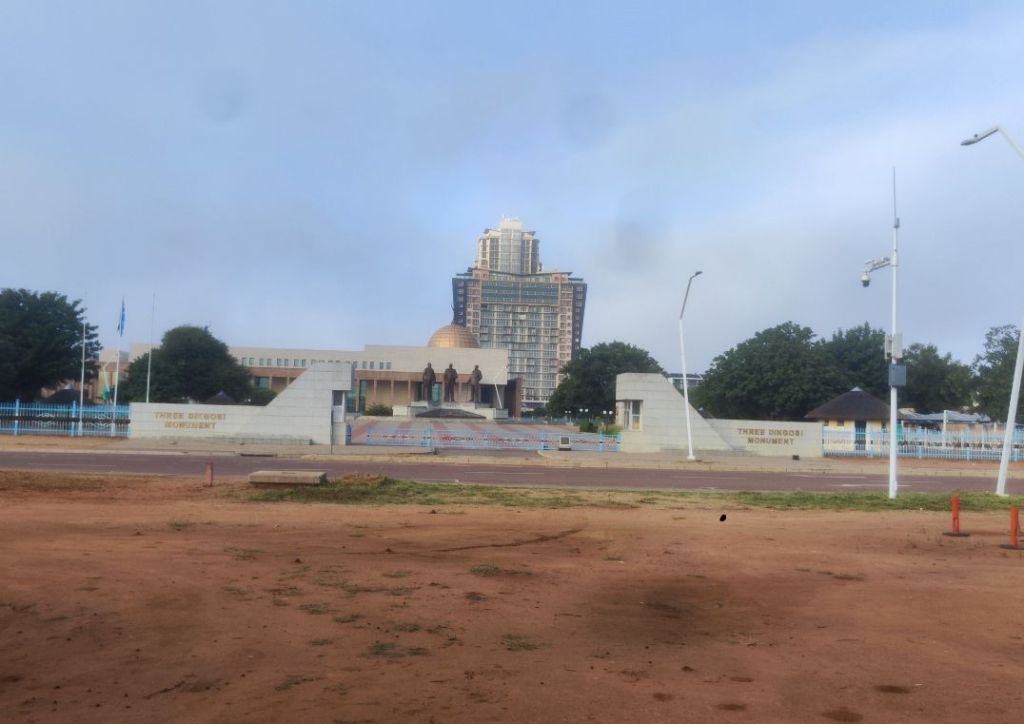
I then went to the famous Three Dikgosi Monument which is a popular and key attraction in Gaborone. The site is located right in the centre of the capital city, in front of the magistrate court and the iconically majestic, iTower building. The monument was opened officially on the 29th of September 2005 by the then President His Excellency Mr Festus Gontebanye Mogae, who is the third of President of Botswana having served the country between 1998 – 2008. It was here where I met a gentleman called David who gladly took me on a detailed tour of the site – literally walking me through the history of Batswana and the iconic three Dikgosi’s: Khama the Third, Sebele the First and Bathoen the First in order from the left to the right-hand side of the image. This order also depicts their ages – Khama III was born in 1837, Sebele I was born in 1841 while Bathoen I was born in 1845. The reverse order i.e. from right to the left highlights the order they passed on. Bathoen I passed on in 1910, Sebele I passed in 1911 while Khama III passed in 1923.
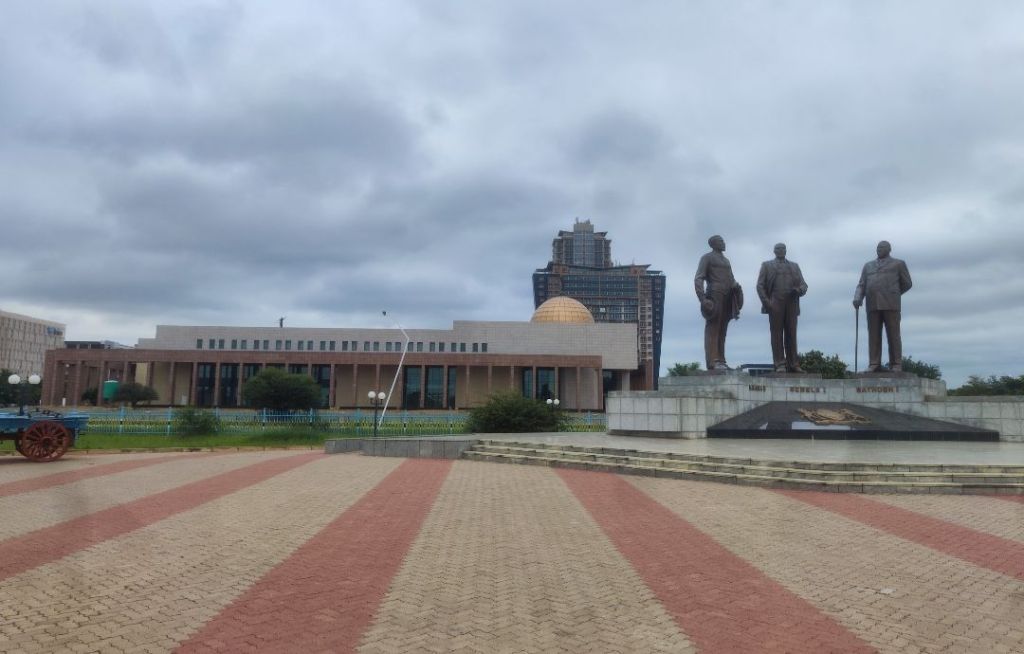
The three gentlemen were instrumental in the negotiations for Botswana’s independence over the Cecil Rhode’s Southern Africa rule when they travelled to Great Britain to negotiate the emancipation of the Batswana. Sir Khama The third is the grandfather of Sir Seretse. The statues were designed by a North Korean construction company, and it is reported that about 800 people visited the site when it was officially opened. The monument is well maintained and has a number of visitors daily, who come to learn about the history of Botswana’s independence and freedom here, at no extra cost. Do come through to be inspired, to meet and show some appreciation to the passionate people responsible for sharing the important history and information embodied by the site. My thanks go out once more to David for making the tour meaningful and memorable.
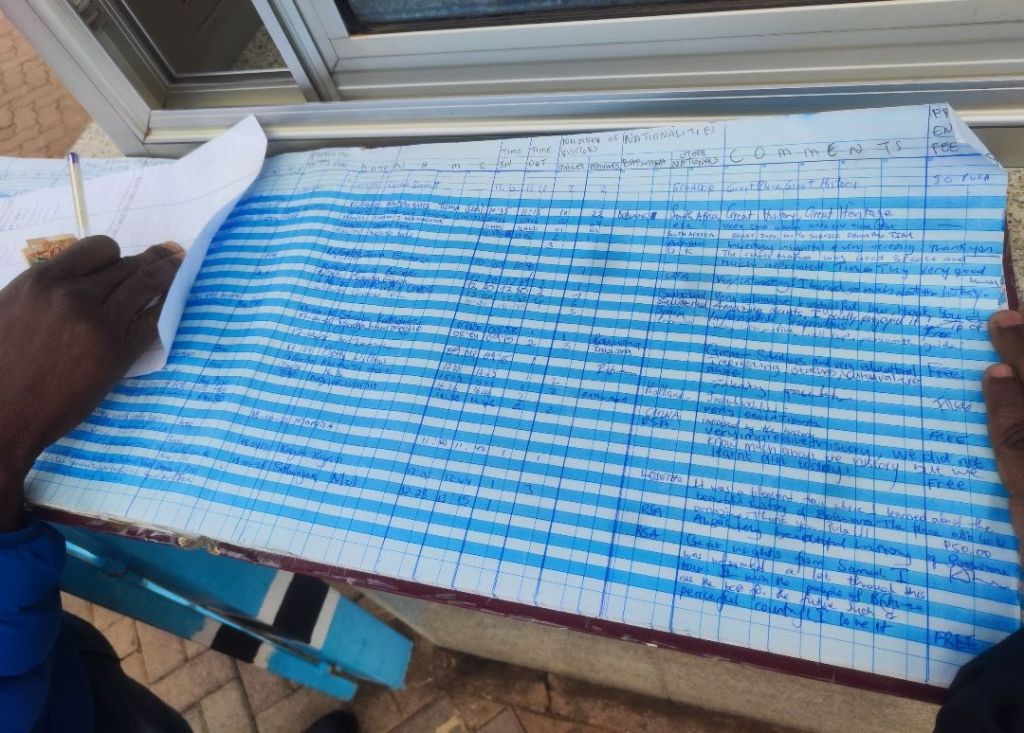
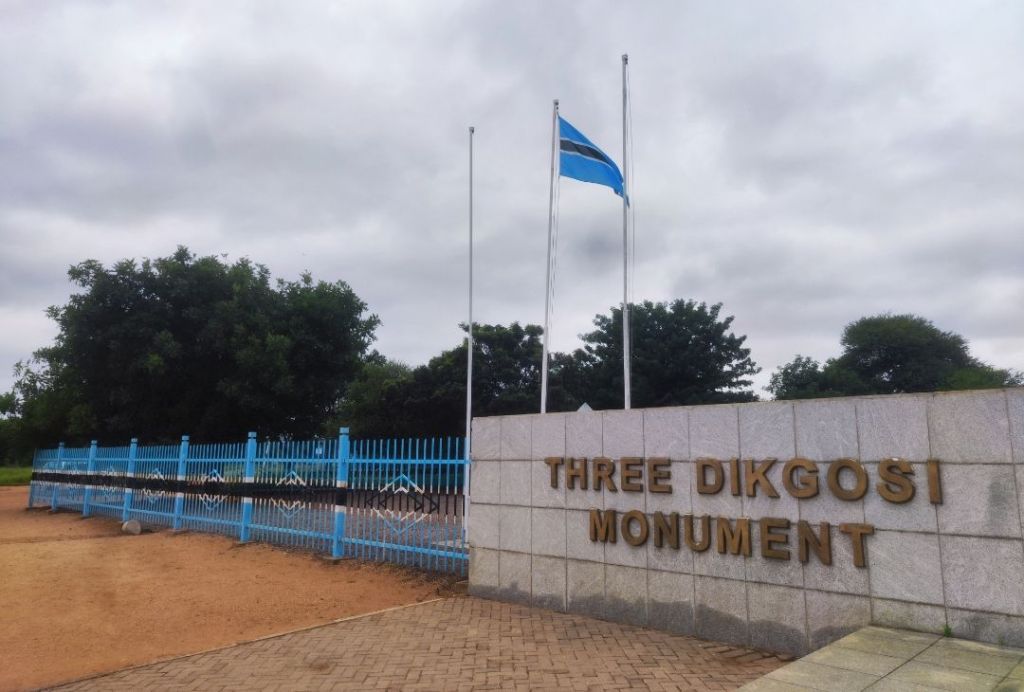
After visiting this important site, I concluded the day at the Gaborone Game Reserve.
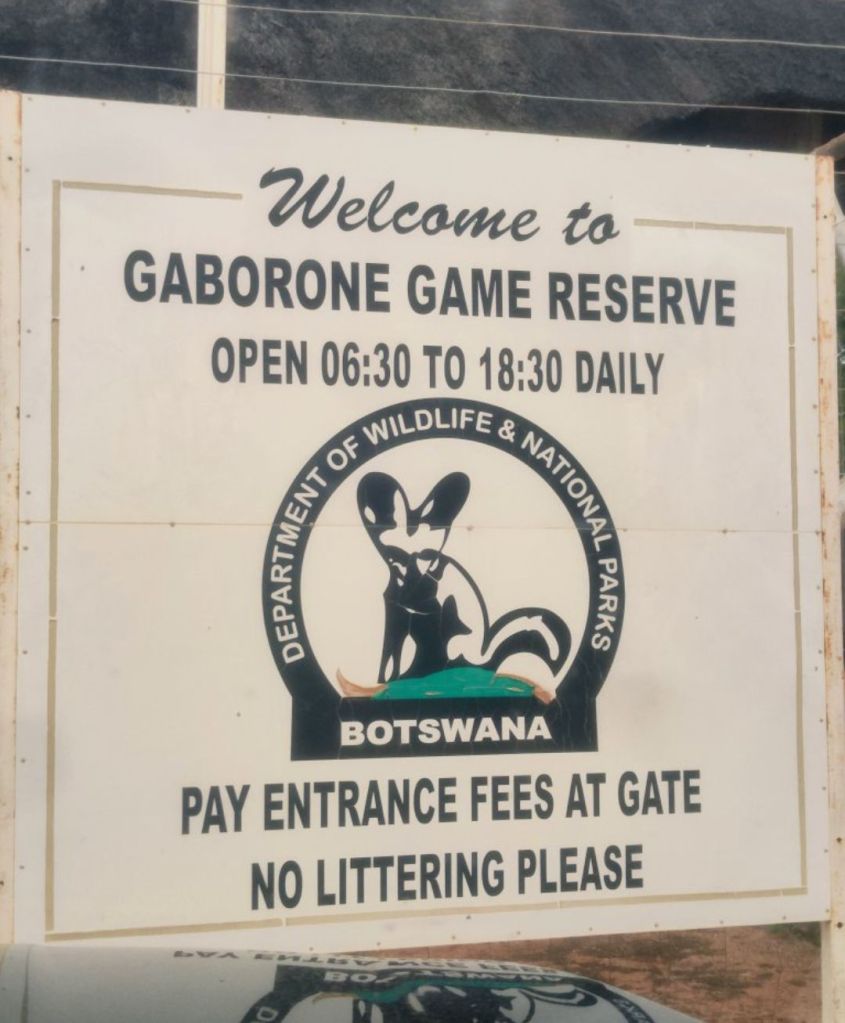
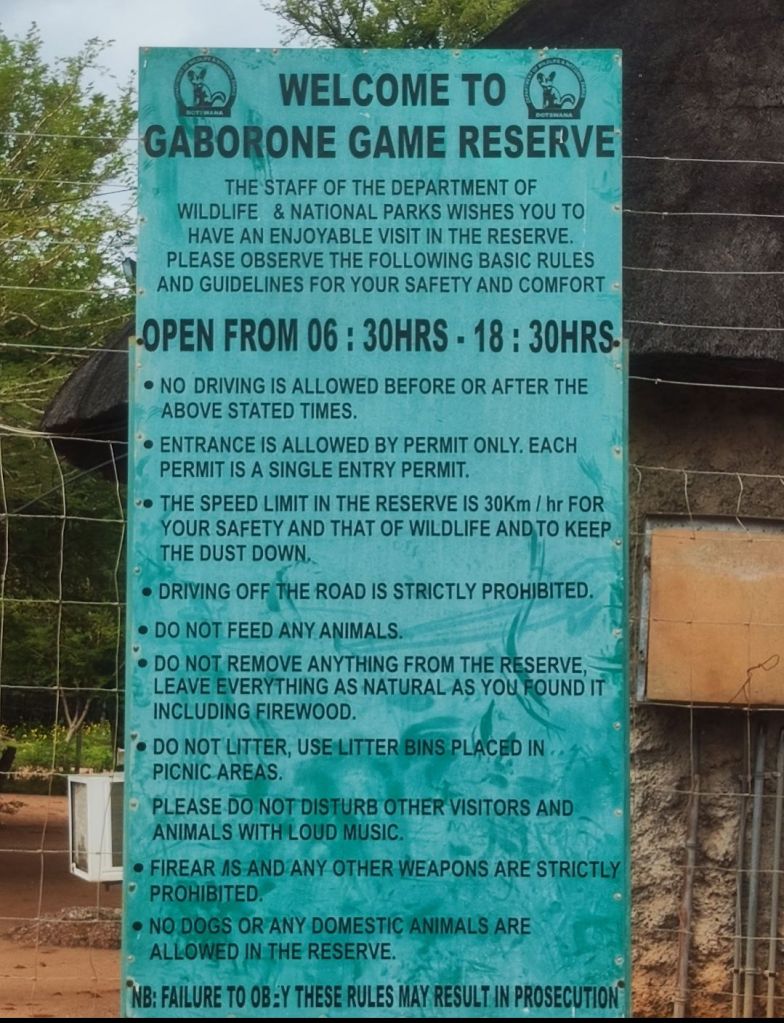
At Gaborone Game Reserve, I paid an entrance fee of P10 to gain access where I did a self-drive. I was given a map of the area and used it as a guide to navigate my way through. I got to see some stunning animals while there and found it therapeutic and scenic – a befitting way to end off the day I had. It was the first time I did a self- drive at a game reserve. There are also some picnic spots seen inside the game reserve for the public to make use of. The place opens at 06:30 to 18:30. Do visit it when you get the chance to.

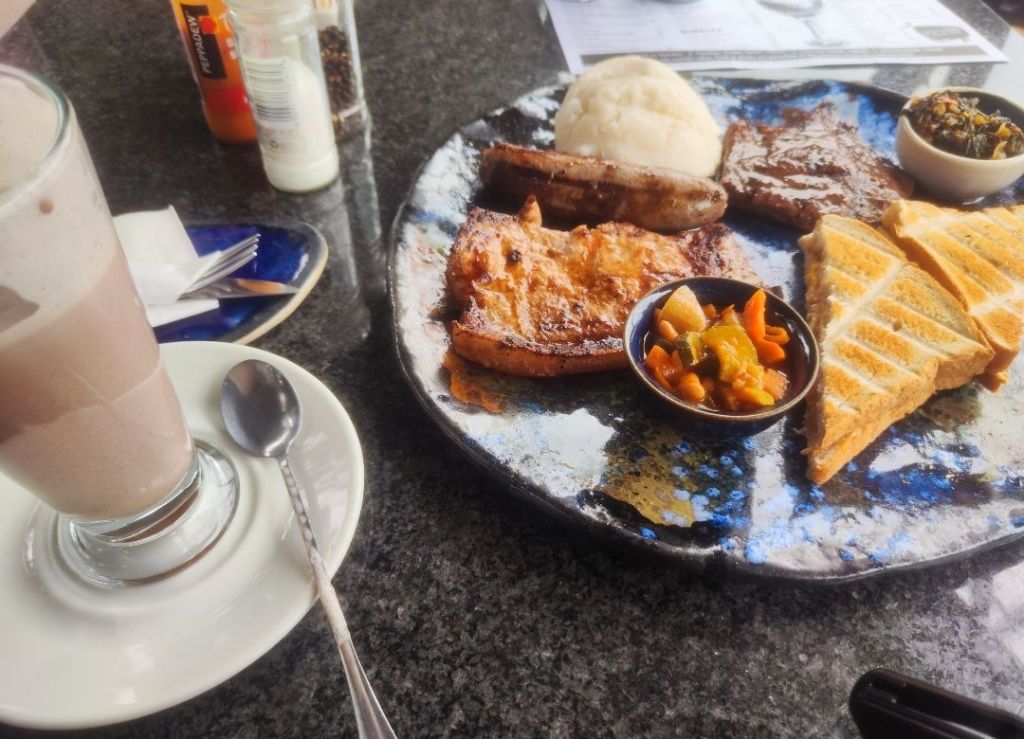
For dinner that night, I went to a place called The Braai Place, where I got some delicious wors, chuck and steak with pap and chakalaka. There was surprisingly, load shedding or a power outage when I went to The Braai Place that evening but thankfully, the place had backup power which meant I could continue with plans for the evening. Load-shedding: a distant yet seemingly, close reminder of Mzansi.

Day 3: Kgale Hill Hike – 19th April 2025.
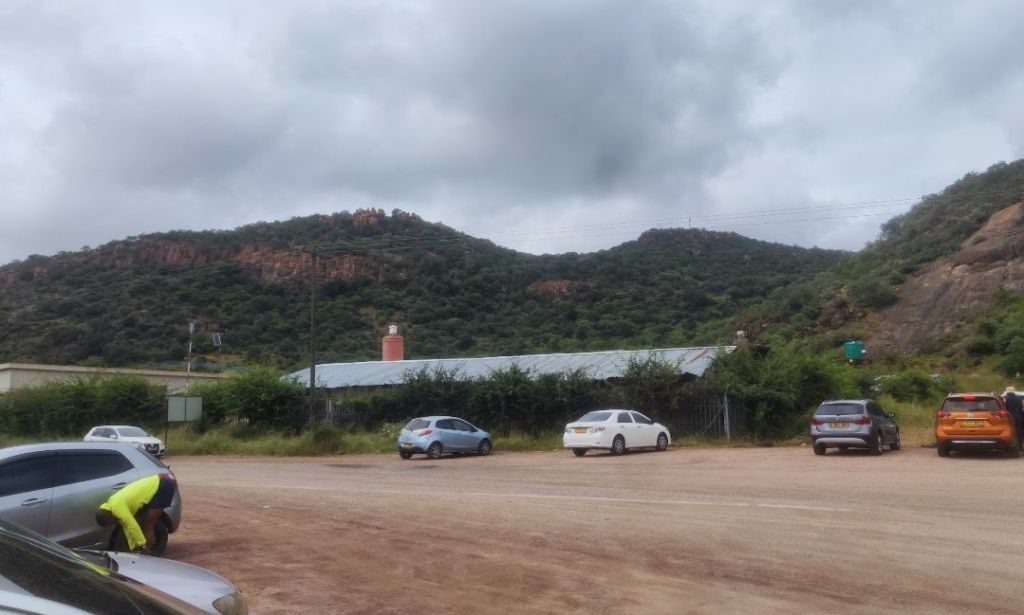
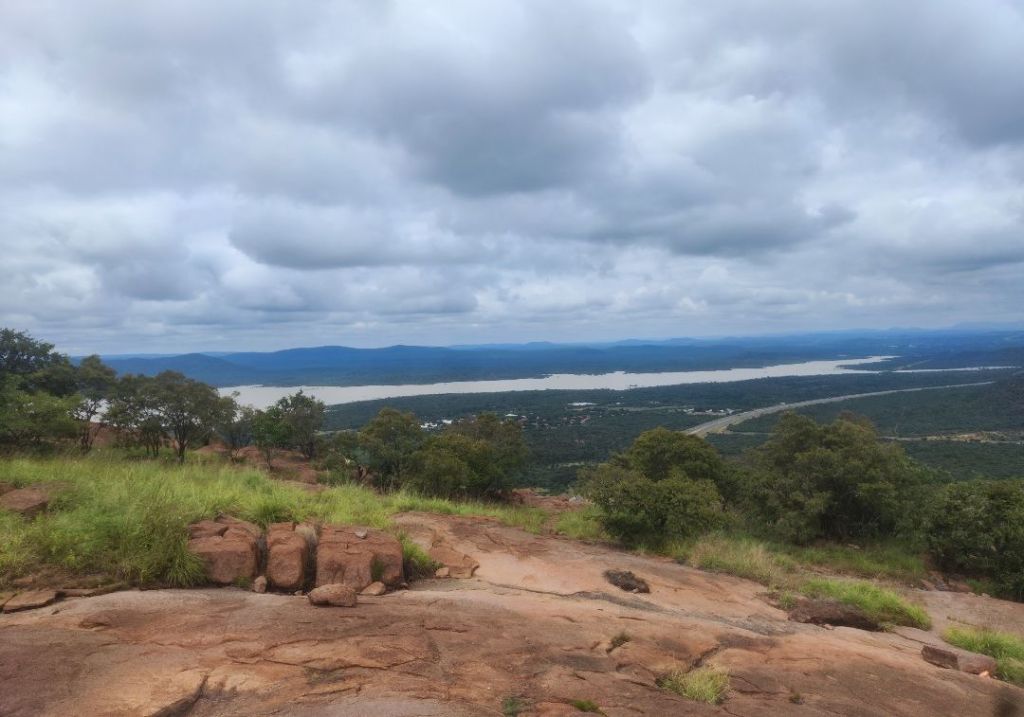
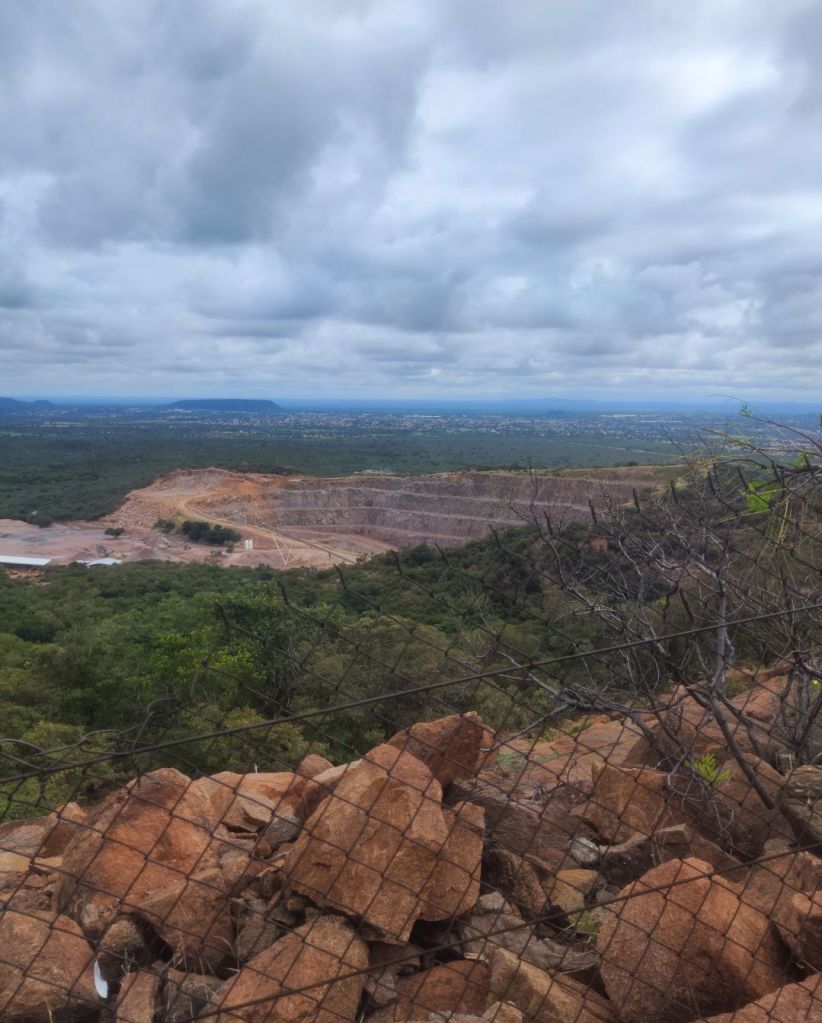

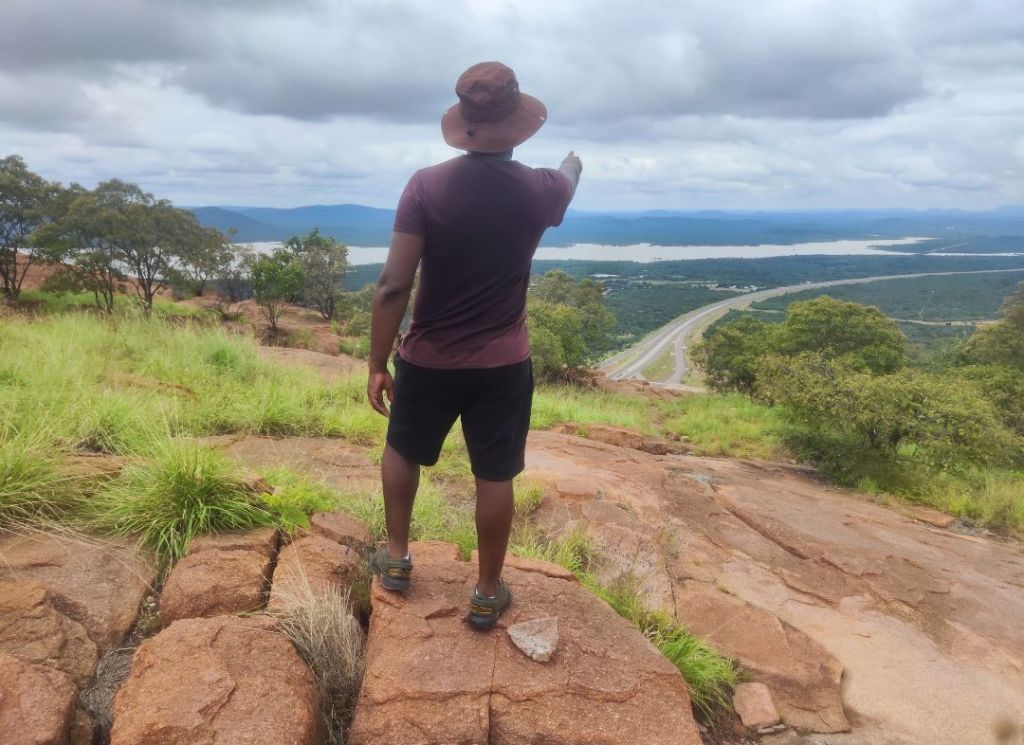
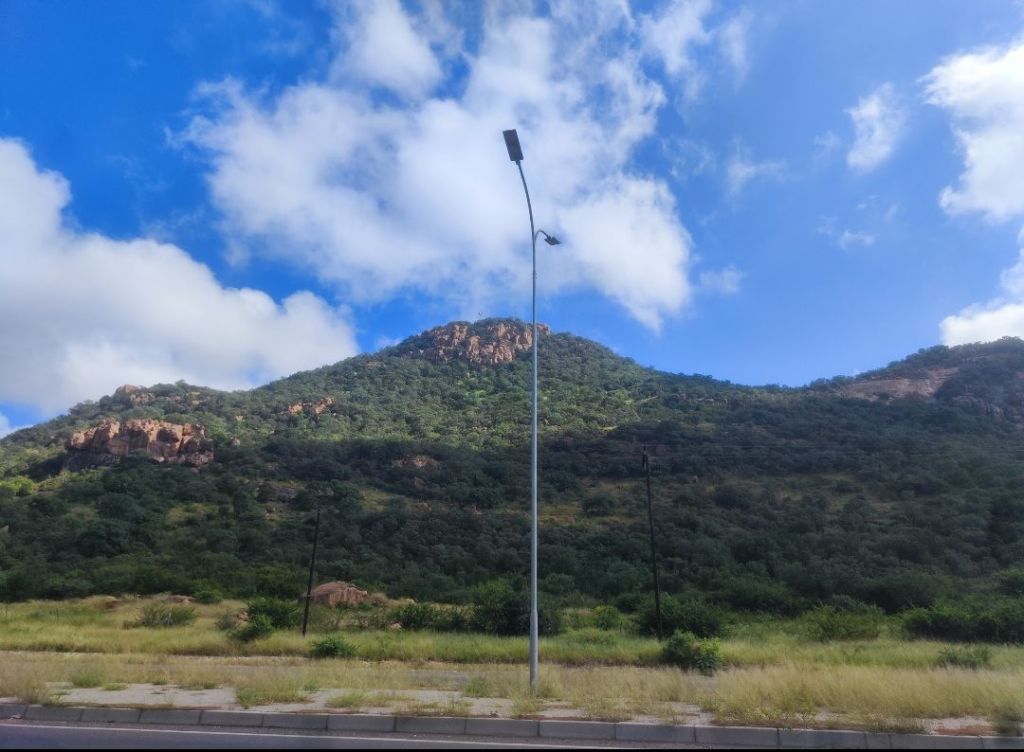
This day was reserved for adventure and being one with nature at Gaborone. I conquered the famous Kgale Hill hike which is located close to a quarry. What started off as a simple hike, ended being a tough but rewarding experience for me upon reaching the peak of Kgale Hill. The hike took me close to 2 hours based on its length and the amount of stops I took along the way. I went up with a small family – a dad with his two teen kids, who became my close companions up the hill. Here, you get to see Gaborone from a completely different perspective while appreciating the geology of the area. I also got to meet friendly Batswana along the hike who made the experience meaningful and memorable. I’d advise that the hike be done quite early in the morning and that you get all the hydration and sun protection you need – it gets scorching in the afternoon. There is no entrance fee charged for this so go ahead and conquer it yourself.
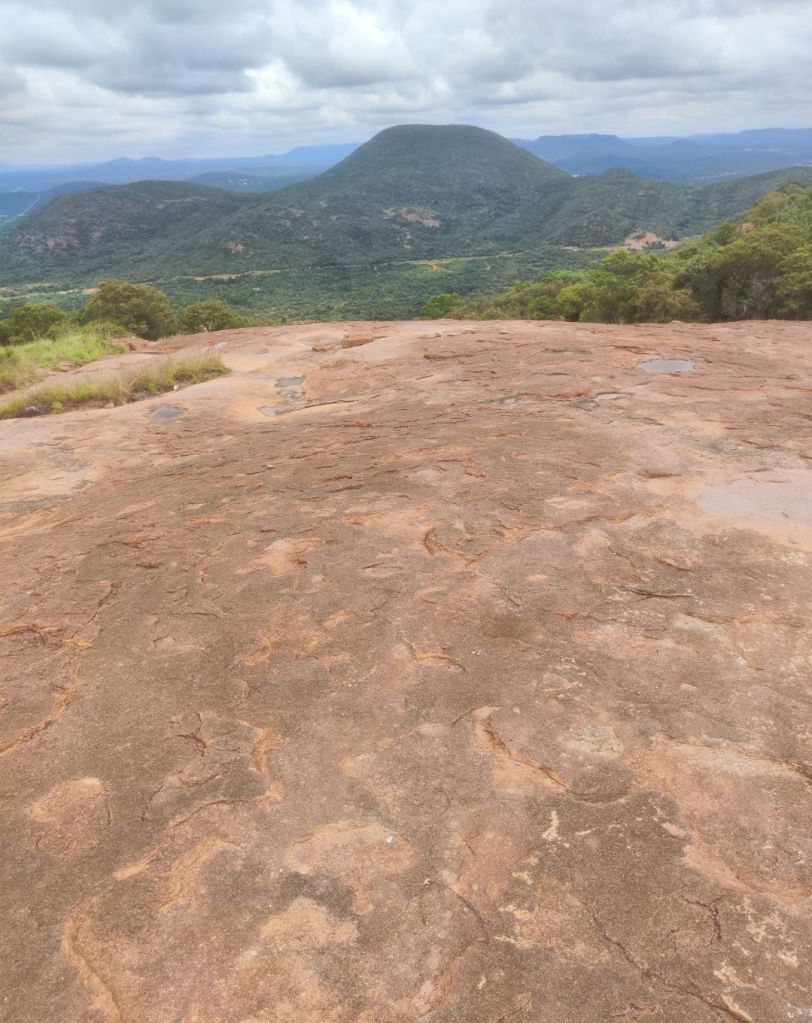
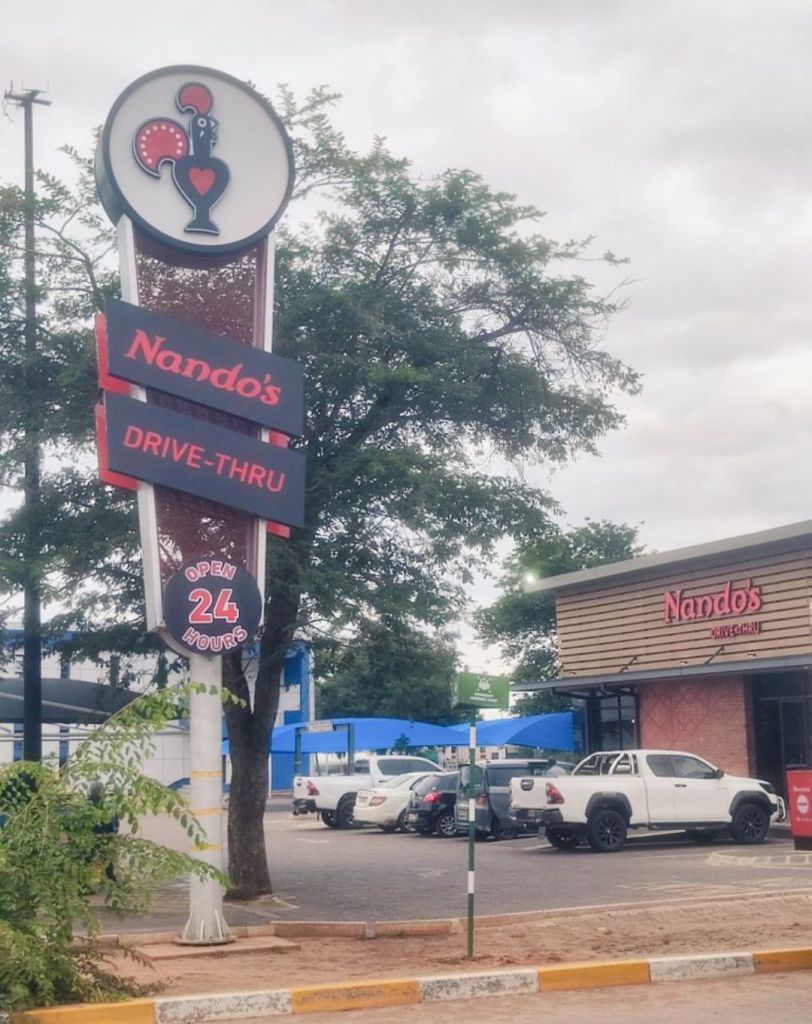
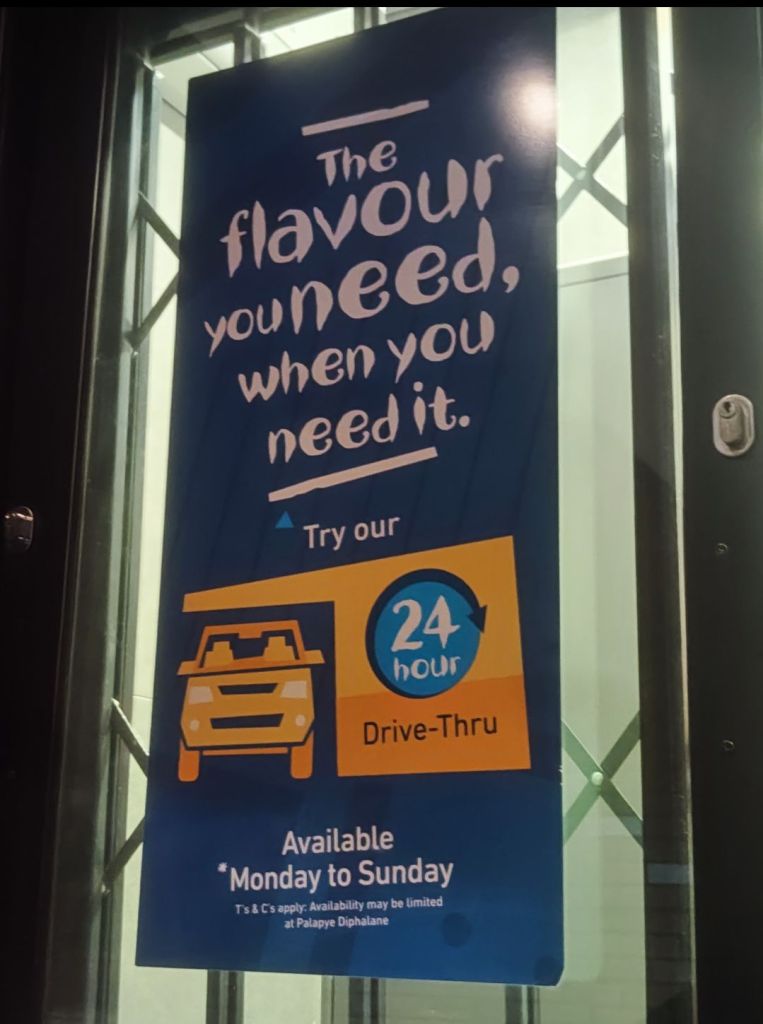
Kgale Hill is also close to Game City Mall where I also got to visit. It is at this mall that I got to discover that a very popular South African franchise opens and trades 24 hours in Gaborone. Yes, Nando’s at Gaborone trades 24 hours in a day. I could not believe it. Later that evening, I did a drive thru late in the evening to get some food from Nando’s – it was weird having get some Nando’s very late in the evening, but I saw that it was a common thing to do in Gaborone. I surprisingly did not see a single McDonald’s outlet in Gaborone.
At Game City MalI, I also got to visit a car wash, following the game self-drive which left the car in a not so clean state. The guys at Rainglow car wash sorted me out and I was good to go thereafter. They did a proper and spotless job for me. I spent P100 (R140) for a full wash. For lunch, I went to the bush kitchen at Mokolodi Nature Reserve. Mokolodi Nature Reserve is located just South West of Gaborone along the A1 main road. I only visited the Mokolodi Bush kitchen as I was in no mood to explore and tour after the hike – I was exhausted and hungry at the time. I had a terrific meal that saw me up-close with Impala’s and the setting was just beautiful. The service and food there was out of this world.
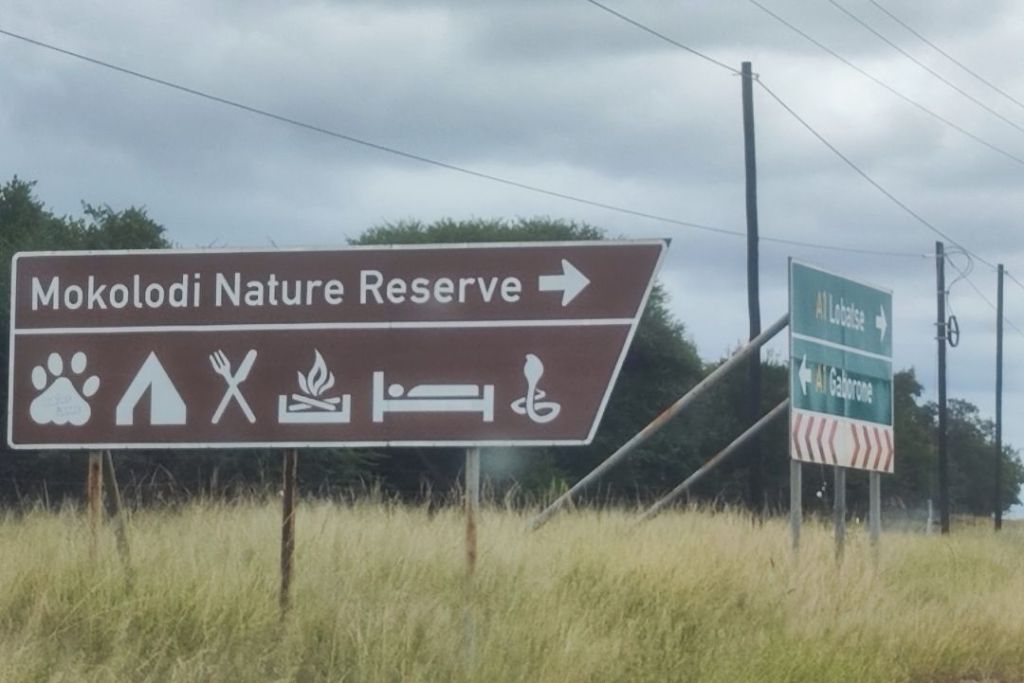

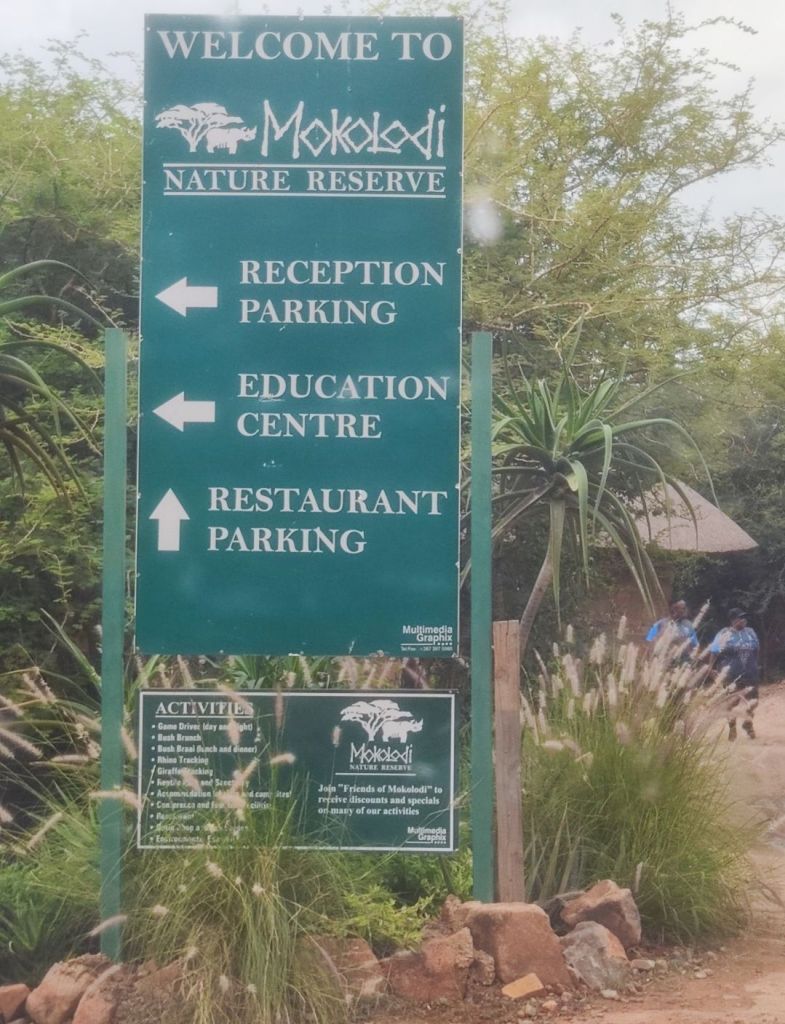

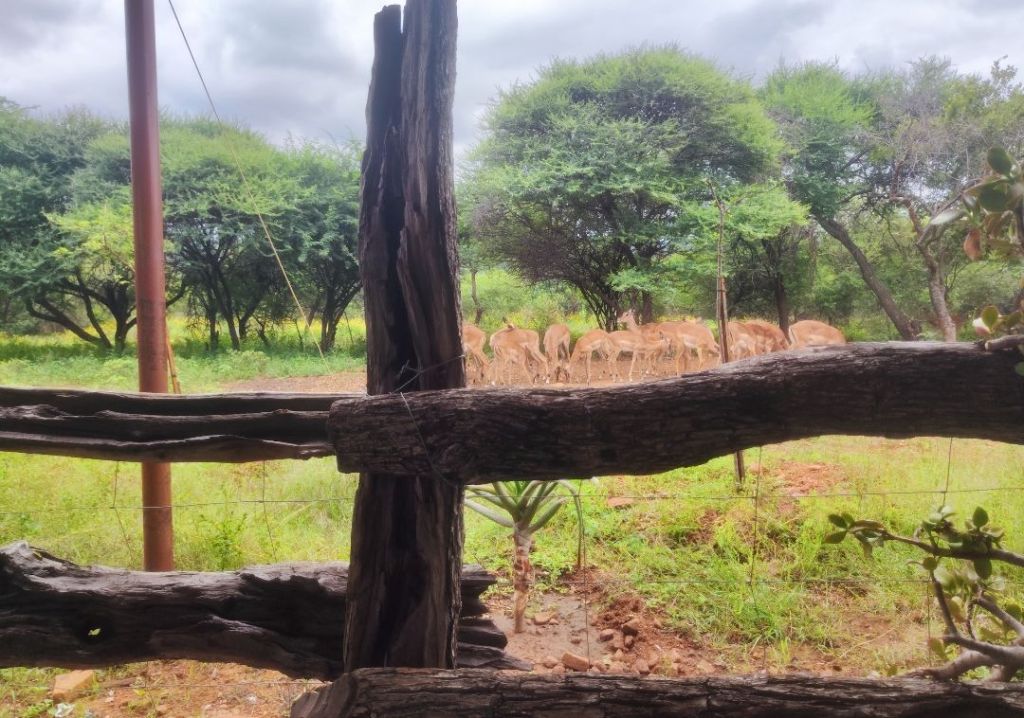
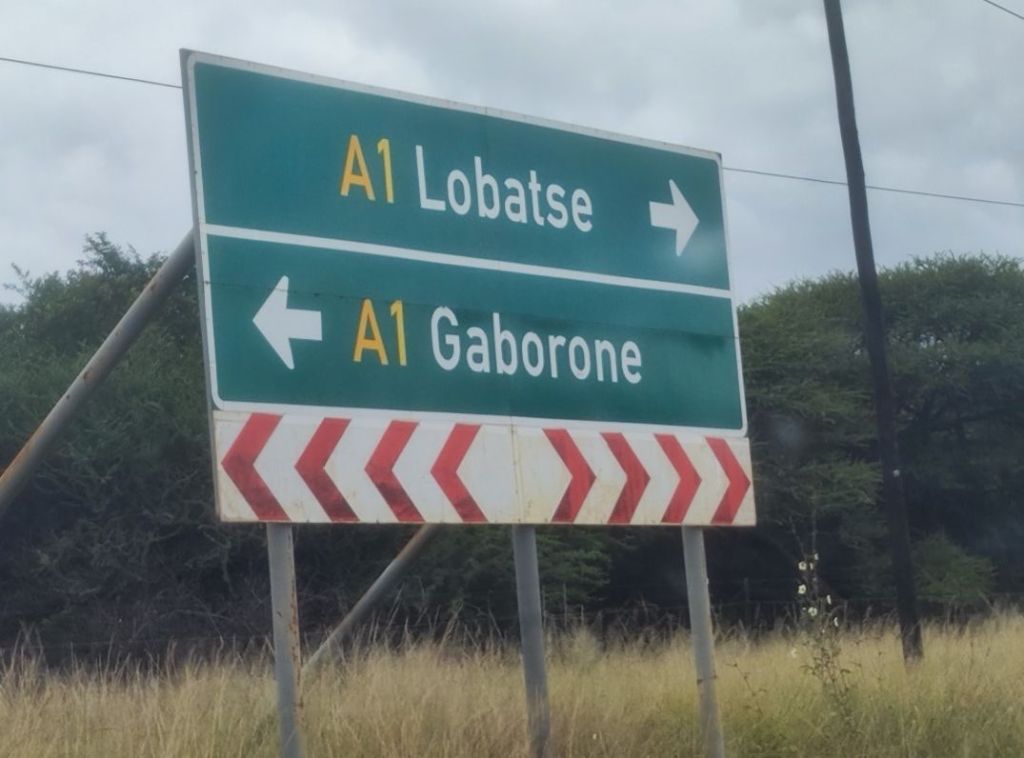
It was the Kgale Hill experience and Mokolodi Nature Reserve visit that saw me put together a plan for a different route to use for my journey back home. I wanted to avoid using the Tlokweng border and try a different route. I also wanted to visit Mahikeng. I then decided to use the A1 through Lobatse as my route to return back. It looked simple and straight forward plus, it would also see me go through Mahikeng en route to Rustenburg. I have been in the North West for well over a decade and I have not been to Mahikeng before, the Capital City of the province. I thought it was an opportunity for me to do something about that.
Day 4: Time to get back home – 20th April 2025.
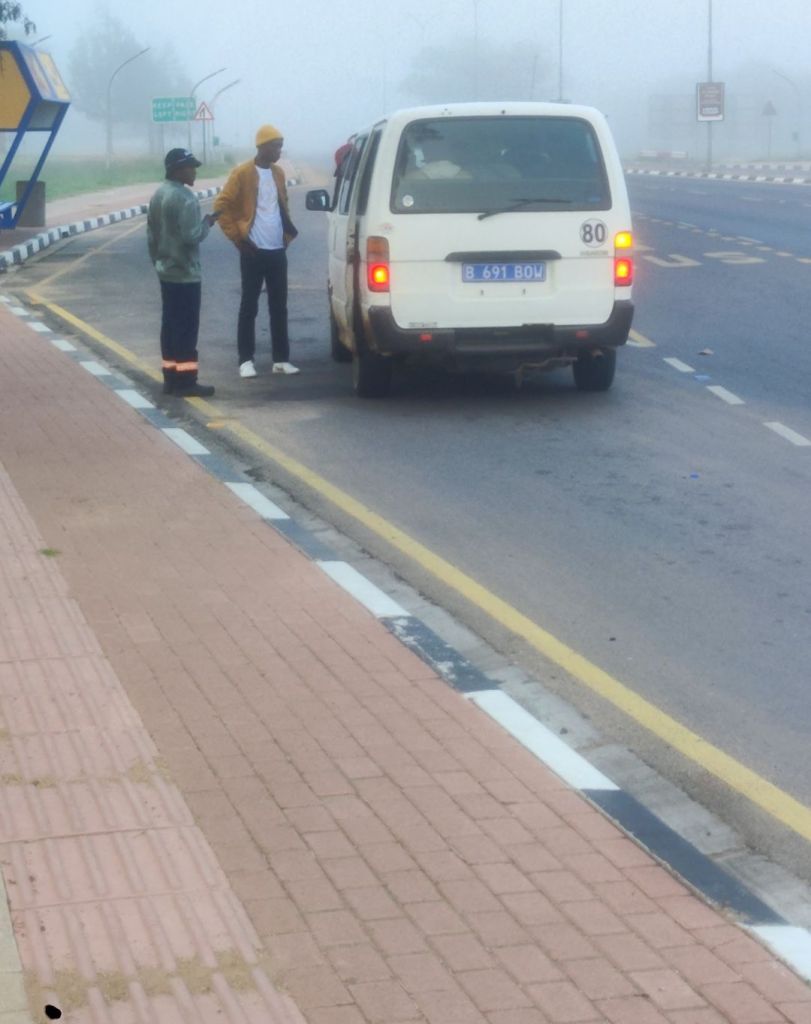
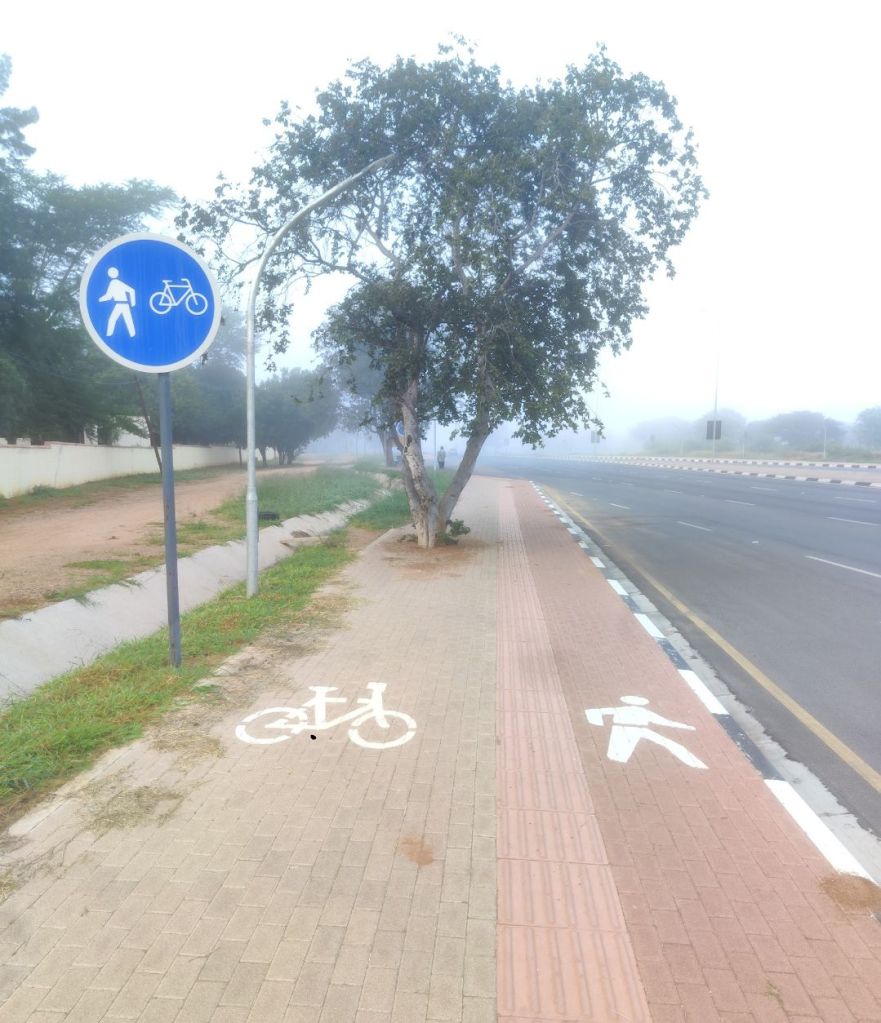
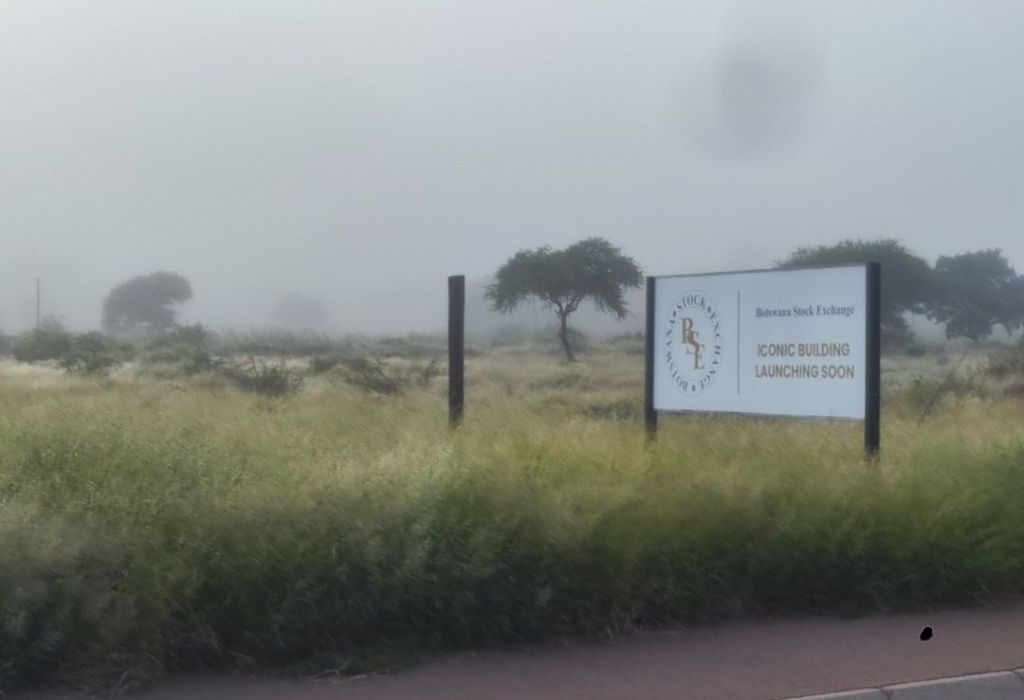
After breakfast, I decided to take a walk about in Gaborone as I bid the city farewell. Reflecting on my time and stay in Botswana. I had a lovely, peaceful and memorable stay here. Upon my walk, I saw dedicated bicycle and walking lanes as I took in the calm and peaceful atmosphere around me. I saw people going about their day, using public transport – taxis and other forms of public transport at Gaborone have unique blue-coloured car number plates, which stand out from the common yellow ones that are all over. I walked from the hotel to the city centre where I appreciated how close I was to the Three Dikgosi Monument site, The SADC building, Burs (Botswana Unified Revenue Services akin to SARS in Mzansi), the industrial court, director of public prosecutions building and the Botswana stock exchange vacant area – a building that’s in progress, to be built soon. I am certain that the area will look completely different in years to come. There’s surprisingly a lot of free space in the city centre, room for much more growth and development on the cards. I am optimistic.
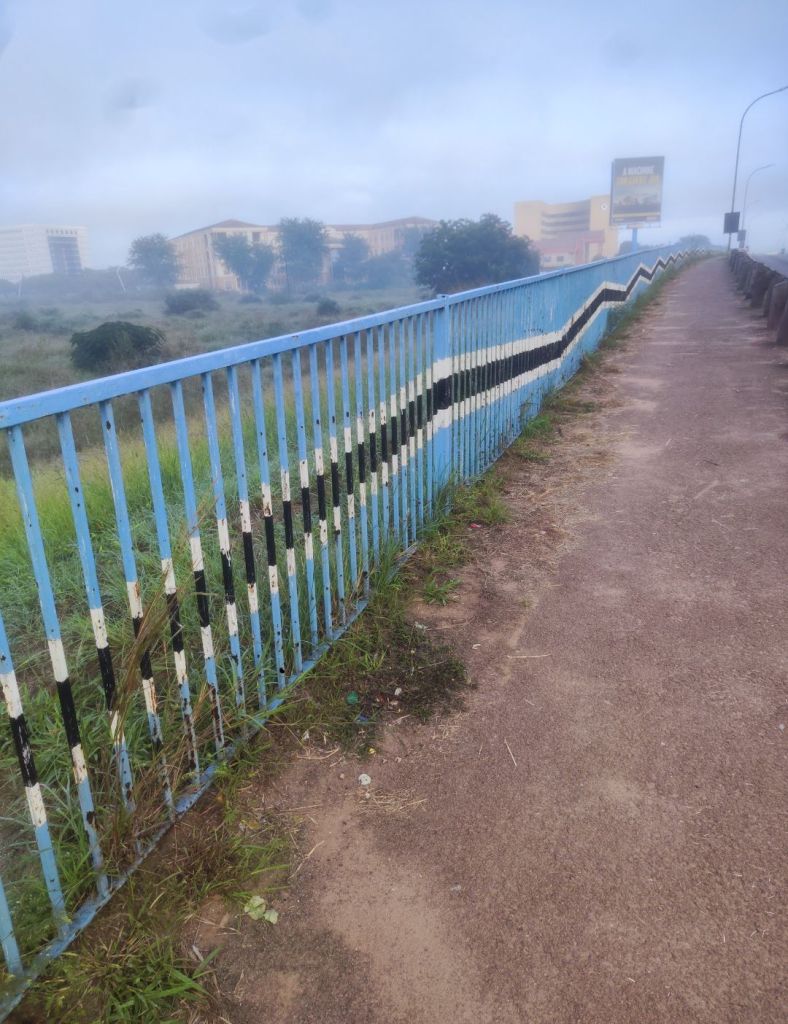


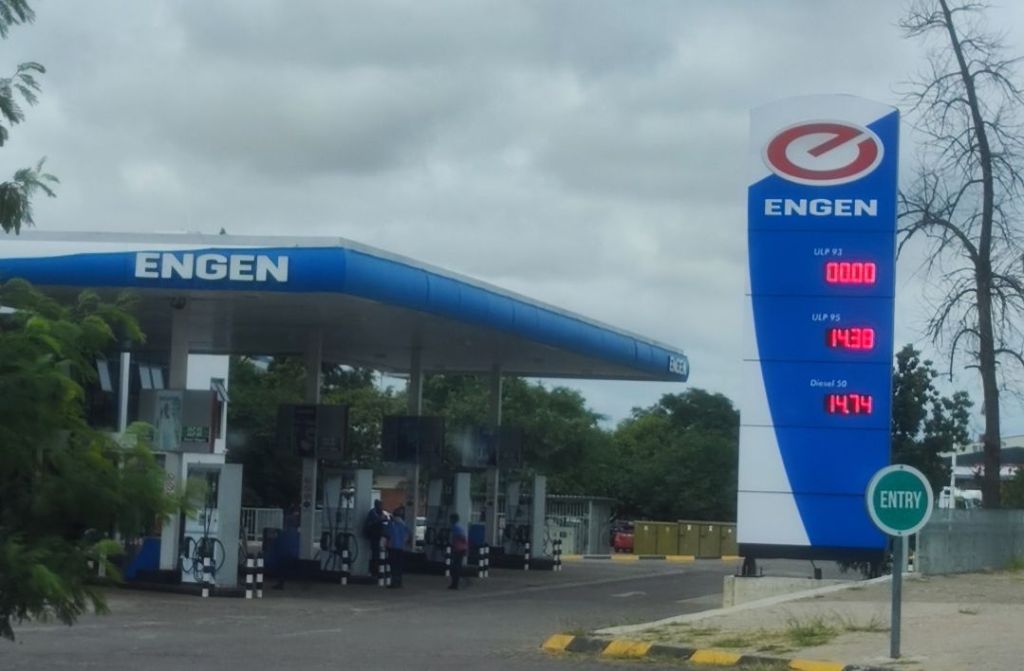
After checking out, I filled up at an Engen close by where I paid about R640 to fill up. This was the second fill up I did for the trip since I left South Africa. I paid R771 for a full tank in South Africa before my departure. I took the available time to check out the Gaborone dam and some more sightseeing in the area before I got onto the A1 towards Lobatse en route to Mahikeng. This route led me towards South Africa through the Ramatlabama border.
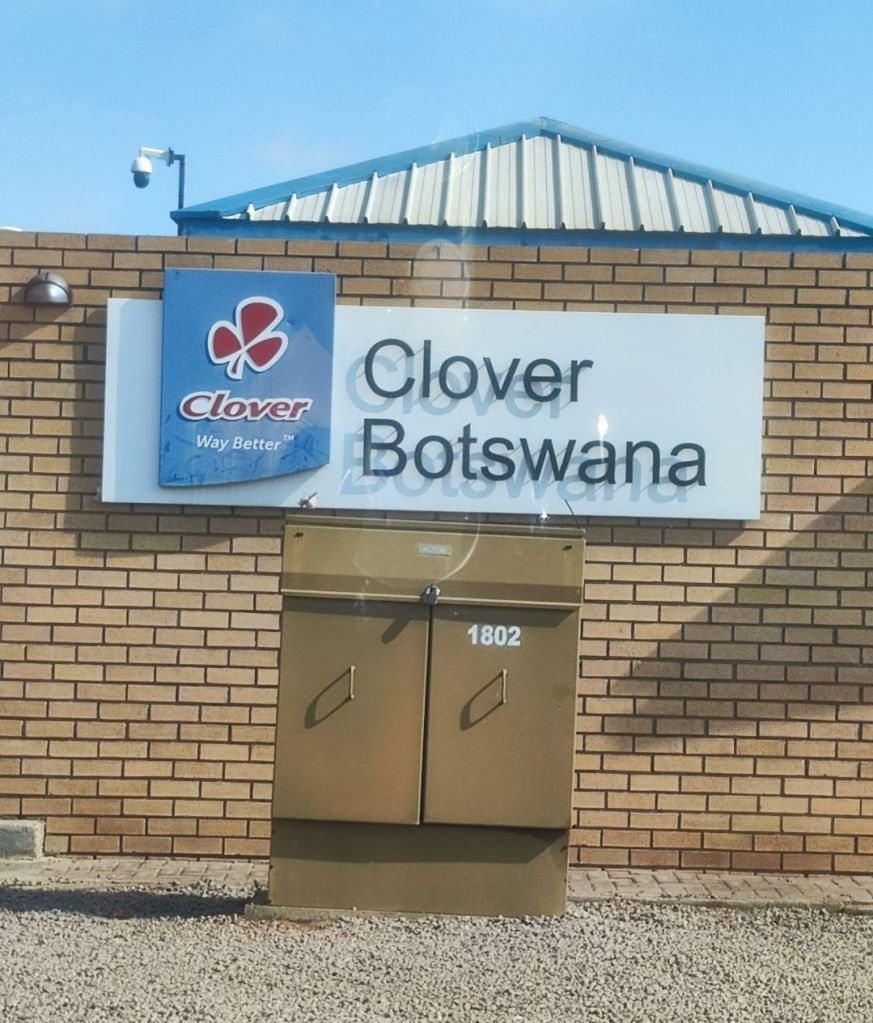
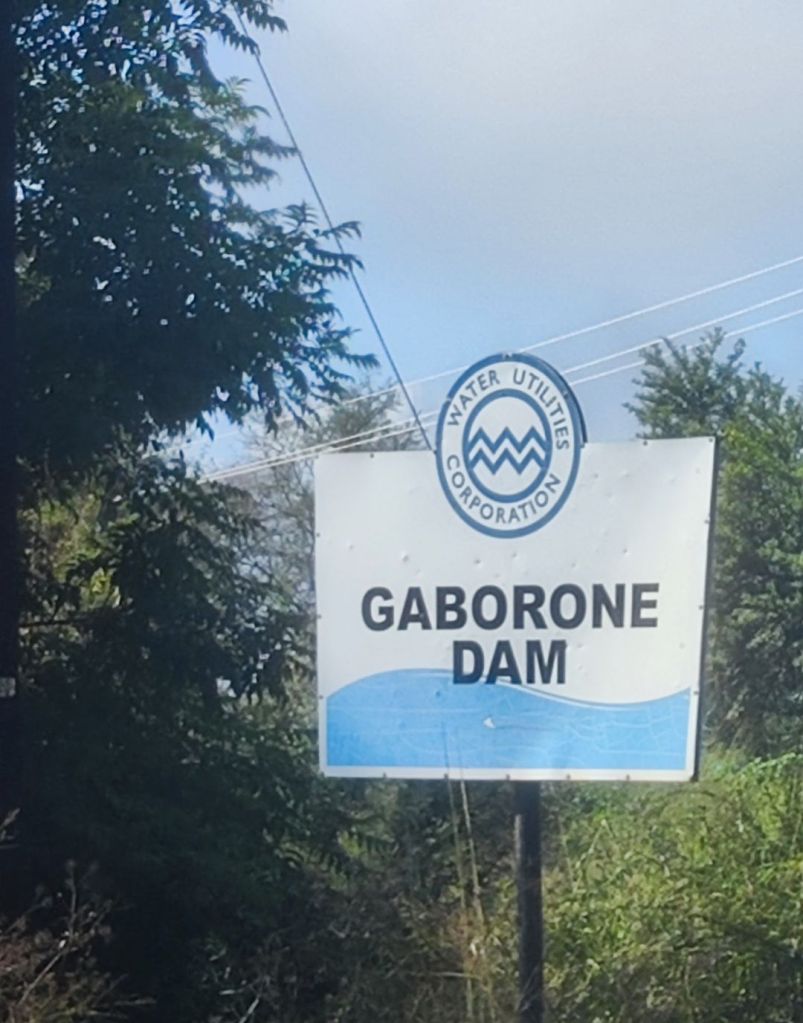
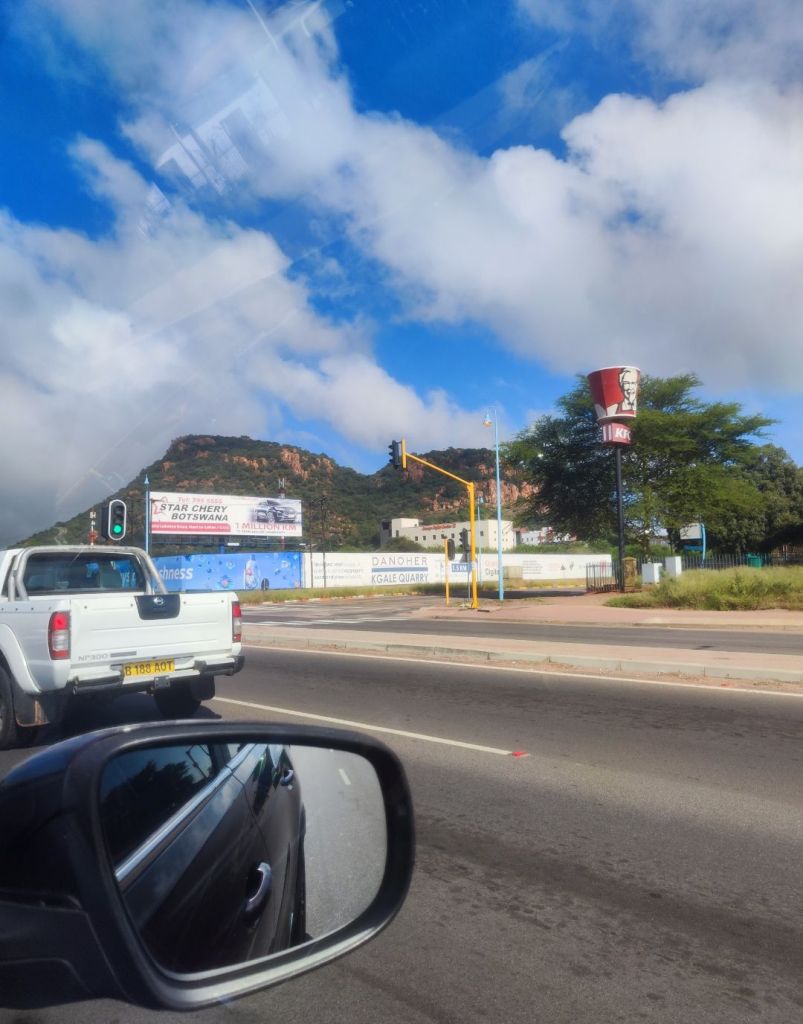
The journey back home was a straight, simple and peaceful one until I got pulled over by a traffic officer along the A1.
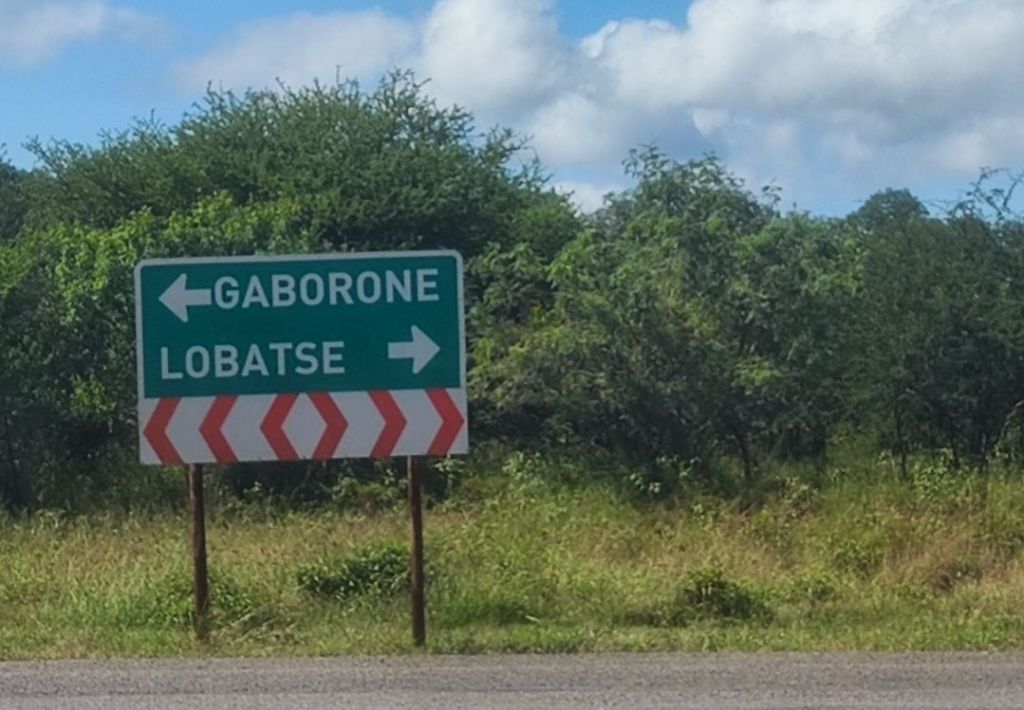
I was asked to step out of the vehicle by officer Molathegi and she told me that she had pulled me over for speeding. She was professional, respectful and frank in her approach and conduct. The speed limit along the road was 80 km per hour. I don’t always know the rules of engagement when dealing with such instances, but I am someone who lives by integrity and honesty. I was disappointed at myself for the error I had made, in a different country but I went on to take it as it was. I told the officer that I am usually a law-abiding citizen and it’s not something I do often.
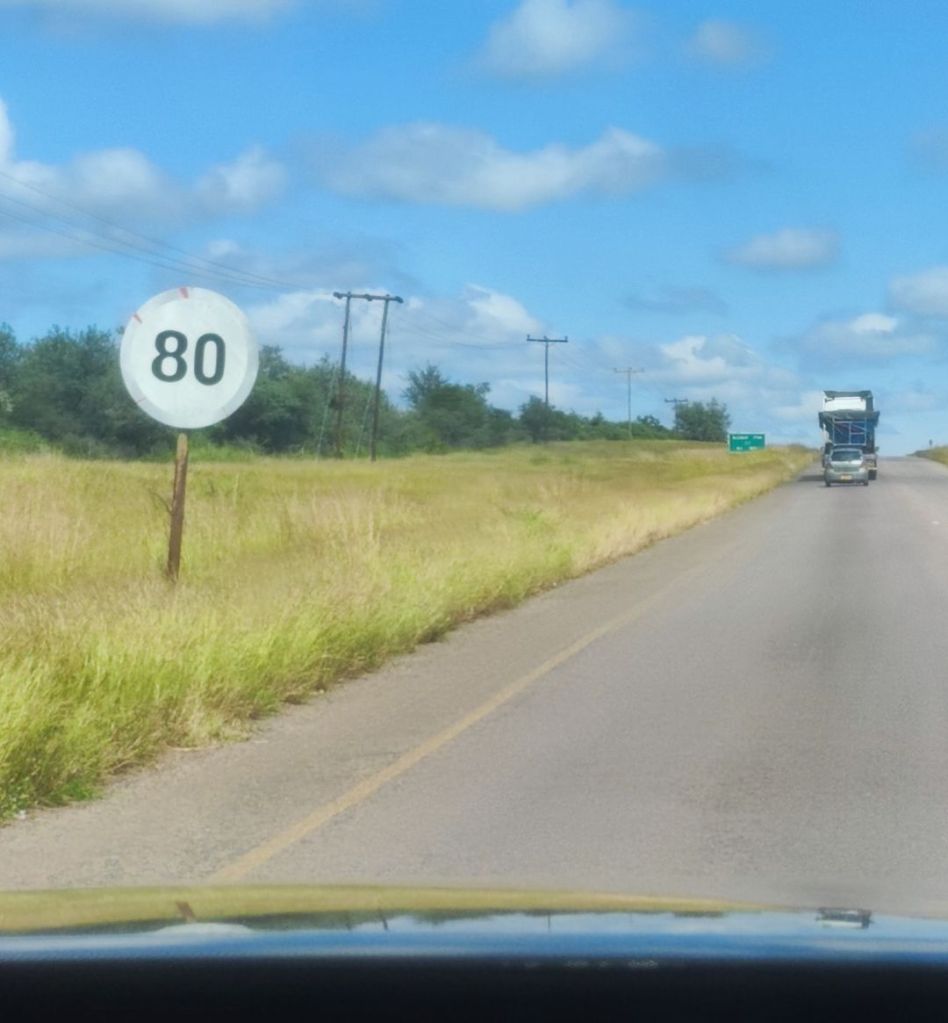
She did not buy it. Then I asked about the steps I had to take seeing that I am not from Botswana. She asked for my license, which I then issued and told me that I had to pay the fine. I asked where I could pay it as I am on my way back to South Africa and she replied, “At the border.” She then began to write the ticket out for me patiently and I also kept my cool. I took the ticket with and continued with my journey. The ticket was P550 (about R750) which I had to sort out upon reaching the Ramatlabama border.
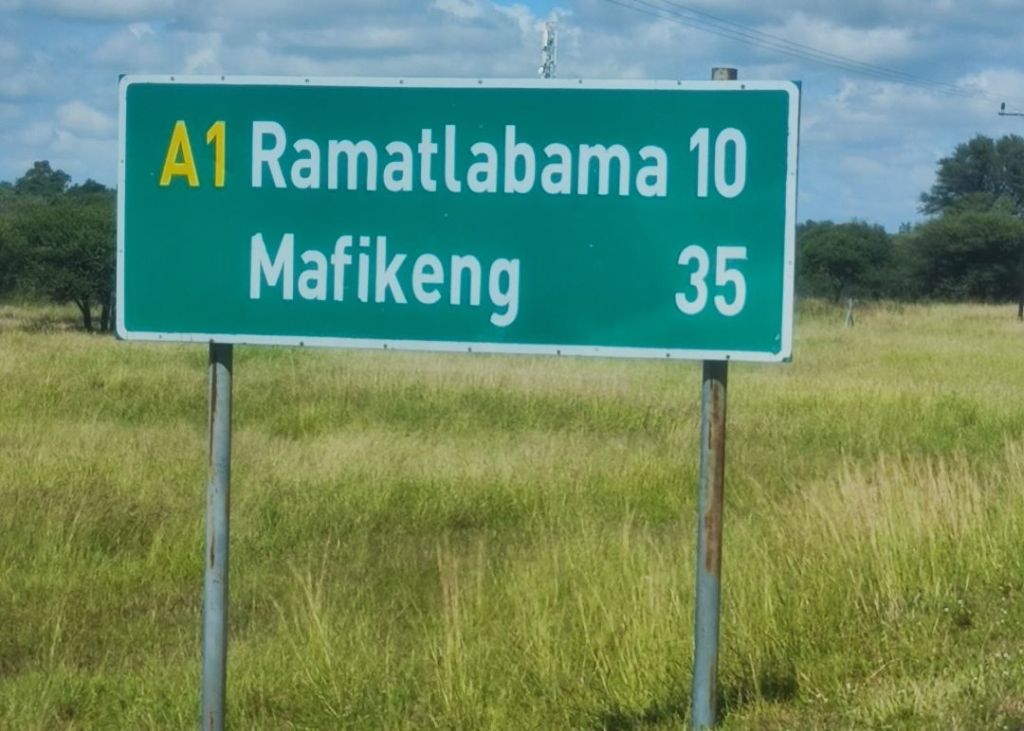
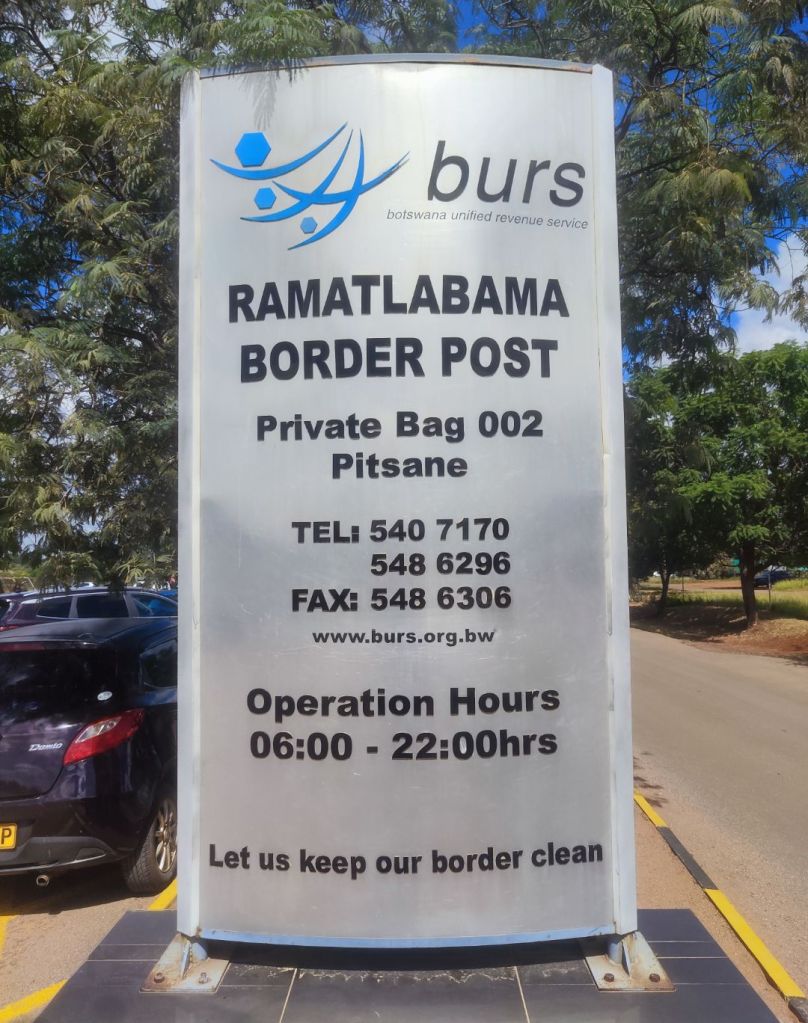
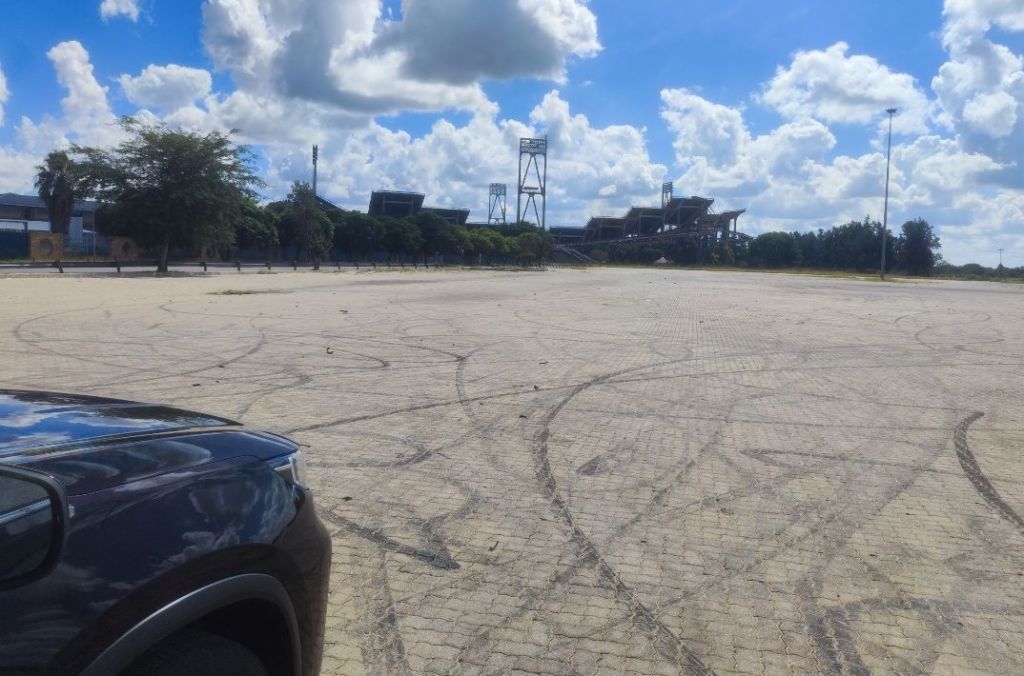
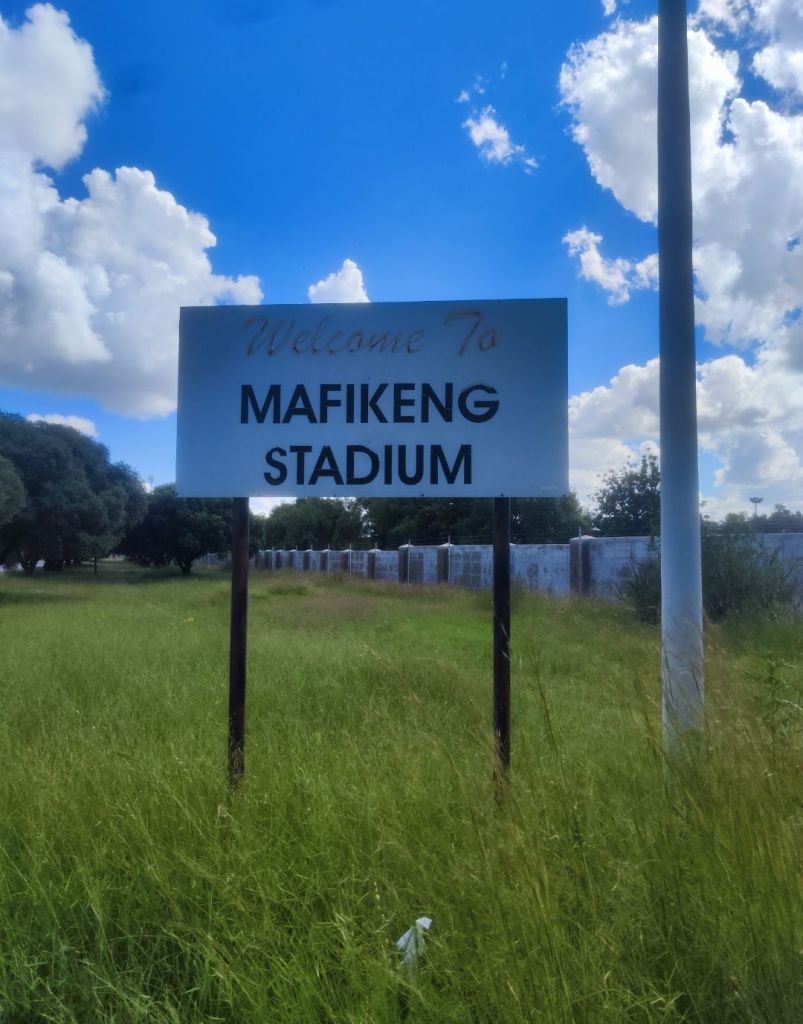
I had a smooth transition at Ramatlabama border, it was not as busy (which I liked) and everything there was seamless. The Botswana side saw me interacting with friendly people who were just thrilled that I came to visit and who enquired about how my stay was. As soon as that was done, I then made my way to Mahikeng. A drive that took me 32 minutes from the border. The only thing I knew from the top of my head as worth seeing at Mahikeng is the Mmabatho (Mafikeng) Stadium which is a 60 000-seater and is an iconic landmark of the city. It has a unique design that easily stands out and I was impressed at seeing it as I approached it from afar. I could not get inside the stadium on the day but the mere presence of being that close to it was enough for me to appreciate it. The stadium has a design that looks similar to that of the Odi Stadium which is located in Mabopane. The Mafikeng Stadium was built in 1981 by an Israeli construction firm. I wish the area as a whole, around it could be well taken care of, maybe renovated and kept in use as a multi-purpose venue to generate income for the city. To keep the area alive. I see it as a worthy and iconic piece of investment. After ticking off this bucket list item of mine, lunch was on the cards and then soon, I headed safely back to Rustenburg.
Gaborone is named after Kgosi Gaborone who was king of the Tlokwa tribe, one of the larger populations of Batswana in the country. He was king in 1880 after the death of his father. He was born in 1825 and passed on in 1931. I also learnt that Botswana’s national animal is the Zebra.

It’s amazing how much we can learn and appreciate from one another as Africans by spending some time and money on it. In Botswana, I saw a peaceful and safe nation, filled with plenty of history that is relatable. I recall how the quality of life was one of the key things Mme Binkie spoke about when I was at the government precinct also – ease of access to tertiary education, proper and affordable medical facilities, safety and security. These are things that make life easier and comfortable for people in any nation. I am grateful to her, David (who I met at The Three Dikgosi Monument) and so many other friendly Batswana for their kindness and them sharing of their knowledge on their country with me for free, during my time.
I also discovered similarities with South Africa and some distinct differences which I feel can benefit both countries. I believe that strong ties do exist between both countries and that there’s always room for both parties to further expand on these and leverage. I never felt out of place, at any point, all I saw was a beautiful nation with welcoming people who took pride in who they are and in their great and gorgeous nation. It’s certainly one African country I would love to return to soon.
 SithenjwaT